Submitted by KhawLingLing on
The Ullambana Festival: A Celebration of Filial Piety and Gratitude
According to traditional folk beliefs, the fifteenth day of the seventh lunar month is regarded as the day when the gates of the spirit realm are opened. In Buddhism, however, the seventh lunar month is known as the “Month of Filial Piety,” while the fifteenth day is also celebrated as “Buddha’s Joyful Day.”
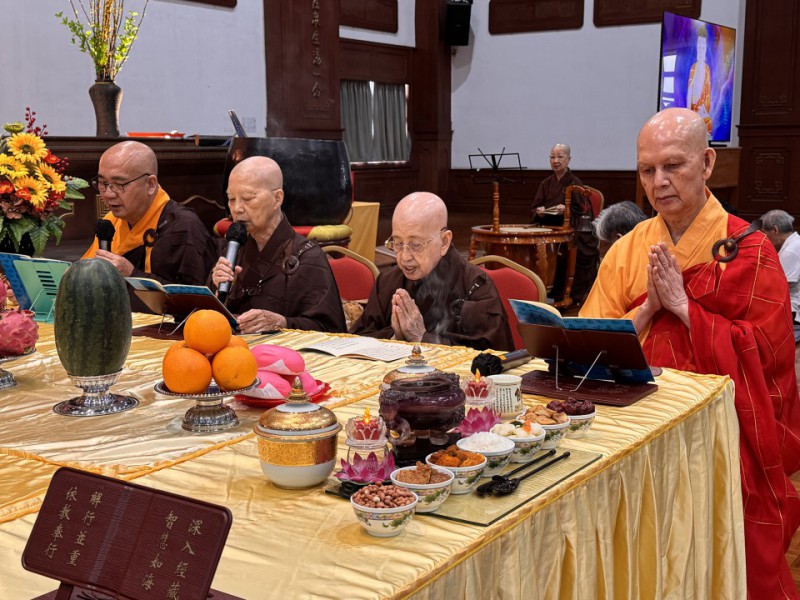
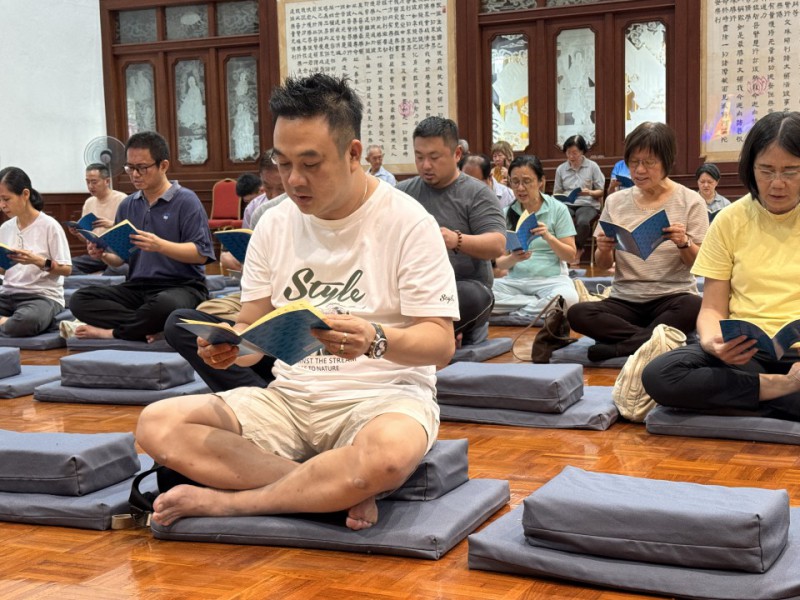
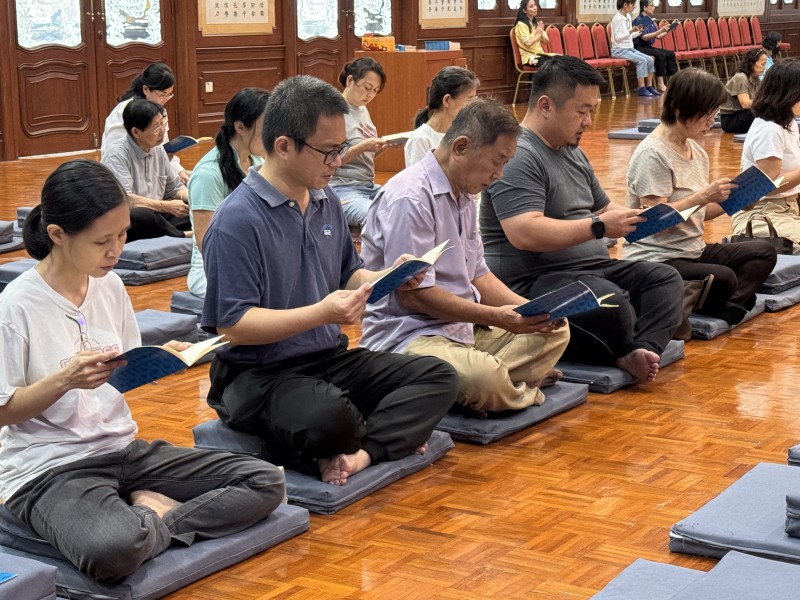
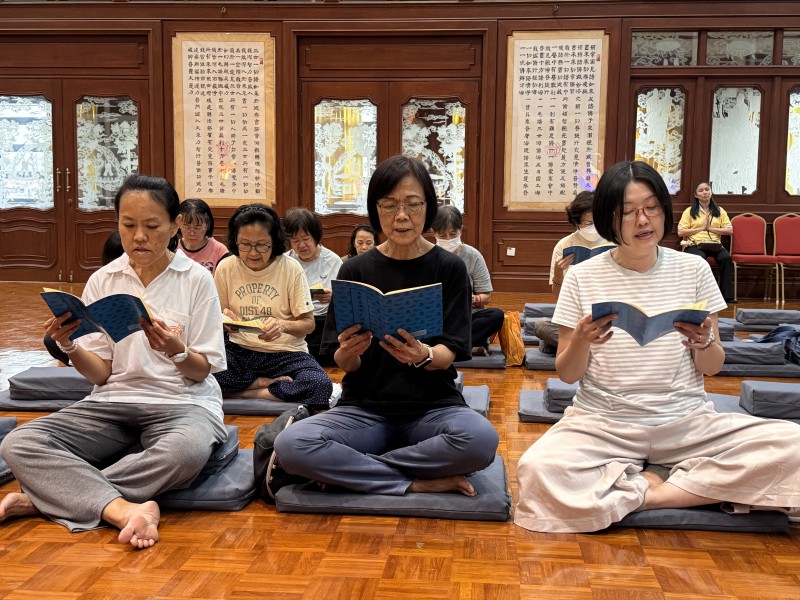
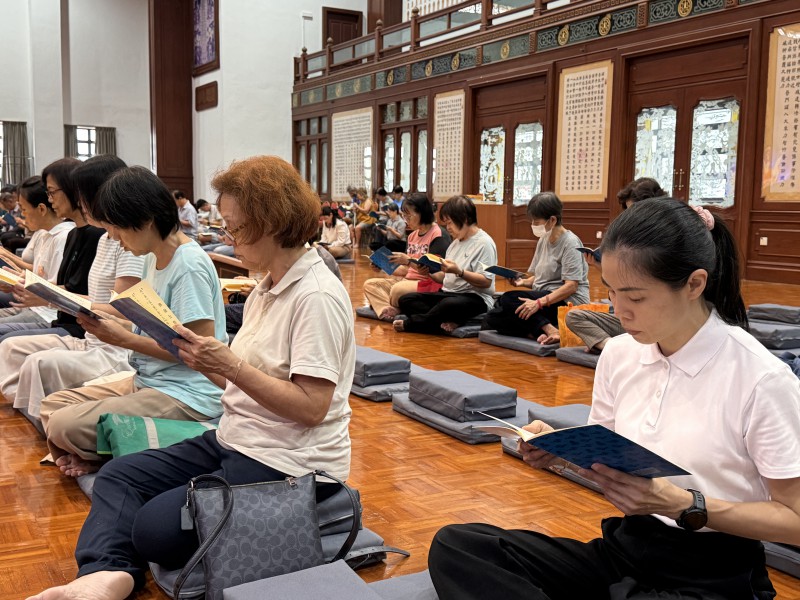
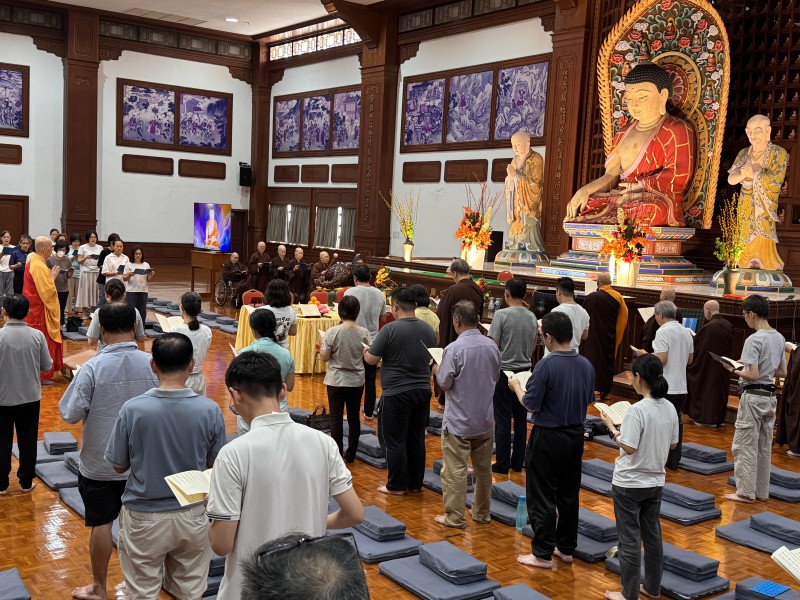
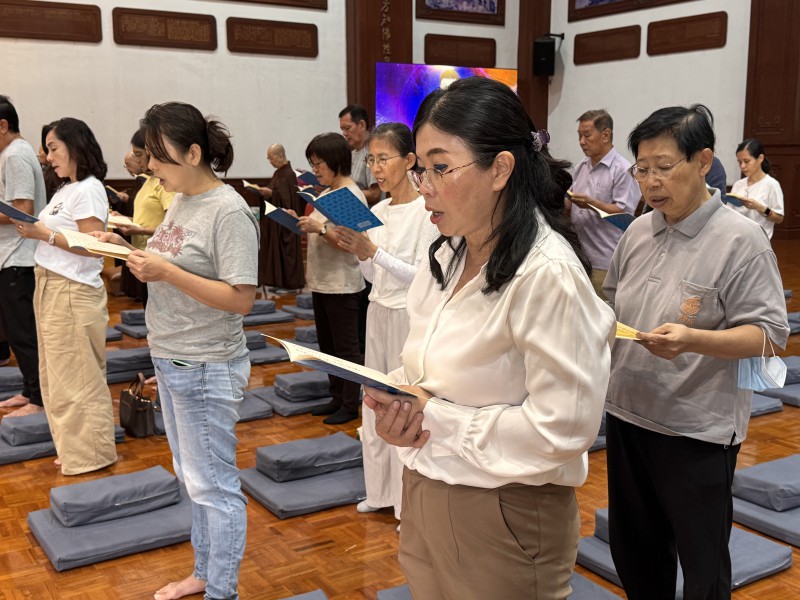
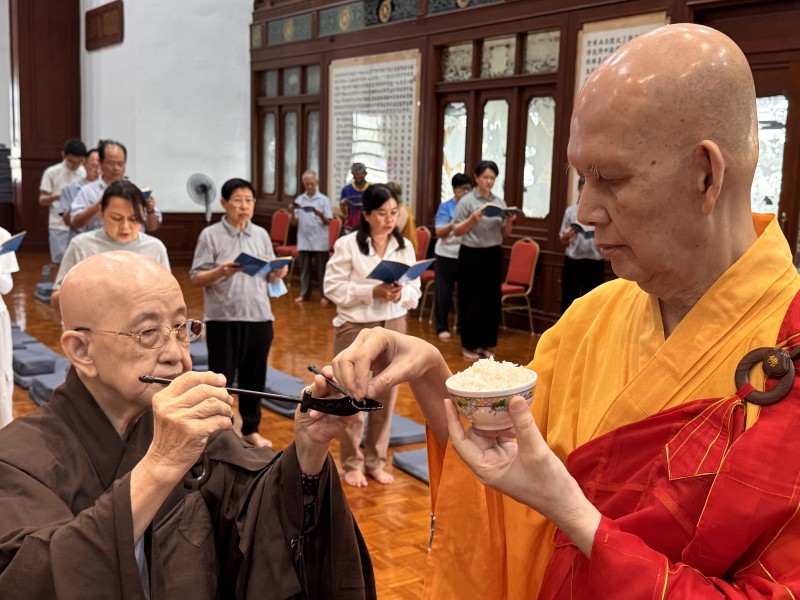
At 10:30 a.m. that morning, Venerable Wei Wu, Founding Abbot of Than Hsiang Temple, together with the Sangha members, led devotees in the Main Shrine Hall in the recitation of the Ullambana Sutra (The Buddha Speaks the Ullambana Sutra), followed by the Ullambana Grand Offering before the Buddha. The hall was filled with the resonant chanting of the assembly, creating an atmosphere of serenity, purity and solemnity.
As part of the Dharma teaching session, a recorded Dharma talk by Venerable Wei Wu was specially presented, in which he explained the origins and significance of the Ullambana Festival.
Venerable Wei Wu explained that the Ullambana Festival has its origins in the Ullambana Sutra. The central figure in the sutra is Venerable Maudgalyayana, one of the Buddha’s great disciples, renowned foremost for his supernatural powers and also for his profound filial devotion. Using his spiritual powers, he sought to discover the whereabouts of his deceased parents. The story of the sutra centres on his efforts to rescue his mother from suffering in the realm of hungry ghosts.
Venerable Maudgalyayana asked the Buddha how he could save his mother and free her from the hungry ghost realm. The Buddha explained that his mother’s karmic obstacles were too deep for her to be liberated through Maudgalyayana’s efforts alone. Only through relying upon the collective merits and virtues of the Sangha of the ten directions and the power of the Triple Gem could his mother attain liberation.
Each year, Buddhist monastics observe a three-month rains retreat, during which they devote themselves diligently to spiritual cultivation. The fifteenth day of the seventh lunar month marks the completion of this three-month retreat, when the Sangha conducts the Pravāraṇā Ceremony, a practice of mutual reflection, confession and admonition through which monastics purify their actions of body, speech and mind.
Seeing that his disciples had successfully completed their period of intensive cultivation and attained spiritual accomplishments, the Buddha rejoiced. For this reason, the fifteenth day of the seventh lunar month also became known as “Buddha’s Joyful Day.” Making offerings to the Sangha on this day is therefore regarded as especially meritorious.
Following the Buddha’s instructions, on the fifteenth day of the seventh lunar month, at the conclusion of the Sangha’s rains retreat, Venerable Maudgalyayana prepared an abundance of food, fruits and delicacies in offering to the Sangha of the ten directions. He dedicated the merits of these offerings to his parents of seven lifetimes, his parents in the present life, and all those undergoing suffering and adversity.
Through the merits generated by making offerings to the Sangha, his mother was eventually liberated from the hungry ghost realm. Not only was his mother delivered from suffering, but other beings in the hungry ghost realm also benefited and attained liberation.
Towards the end of his Dharma talk, Venerable Wei Wu highlighted three great exemplars of filial piety in Buddhism.
The first is Venerable Maudgalyayana, whose story is recounted in the Ullambana Sutra. Foremost among the Buddha’s Arhat disciples in supernatural powers, he rescued his mother from the hungry ghost realm through the merits generated by making offerings to the Sangha.
The second is Ksitigarbha Bodhisattva, whose great vows and profound filial devotion are illustrated in the Ksitigarbha Bodhisattva Sutra.
The third is Shakyamuni Buddha himself. After attaining Buddhahood, the Buddha ascended to the Trāyastriṃśa Heaven to expound the Ksitigarbha Bodhisattva Sutra for the benefit of his mother, demonstrating his profound gratitude and desire to repay her kindness.
The seventh lunar month is therefore especially significant because of the teachings and origins associated with both the Ullambana Sutra and the Ksitigarbha Bodhisattva Sutra. From the Buddhist perspective, the seventh lunar month is not a month to be feared or regarded with superstition. Rather, it is a particularly meaningful time to promote filial piety, gratitude and the repaying of kindness.
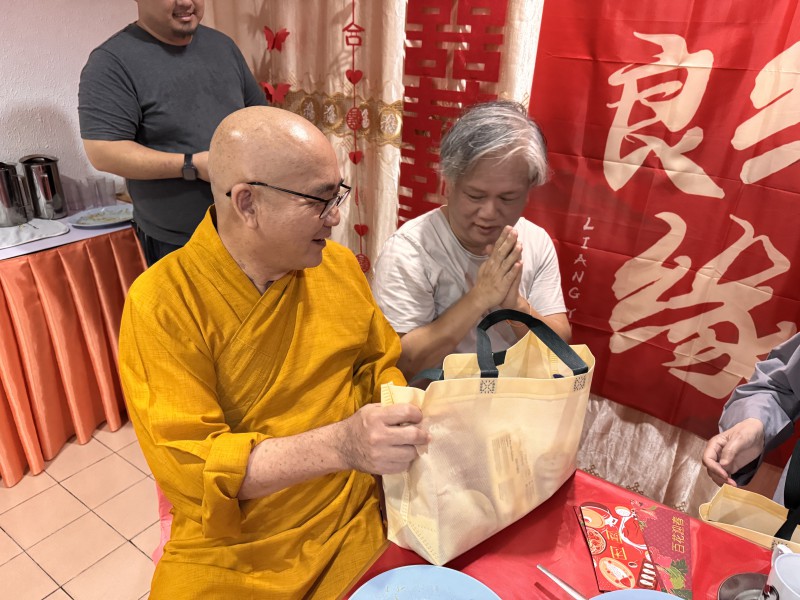
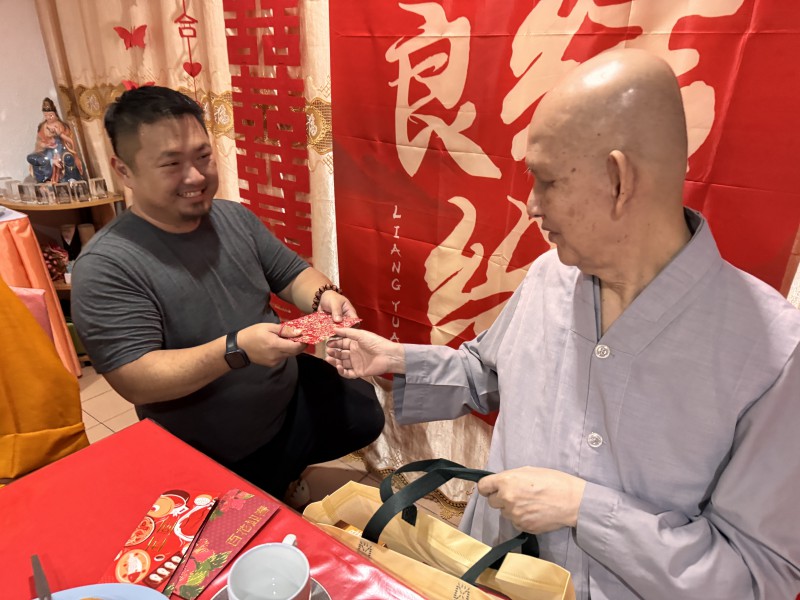
Upon the conclusion of the Dharma teaching, the assembly respectfully invited the venerable monastics to proceed to the dining hall to receive the meal offering. Volunteers and devotees joyfully took this precious opportunity to make offerings to the Sangha, support the Triple Gem, and cultivate abundant fields of merit.
******************************************************
More photos:http://thanhsiang.org/ch/node/7113
******************************************************
Spread the Buddha's teachings to guide more people to study Buddhism.
Continue diligently in the path studying the Buddha's teachings and listening to the Dharma.
Follow us on:
https://linktr.ee/thanhsiang