Submitted by aier on
Than Hsiang's Pu Men Pin Online Gong Xiu Dharma Sharing (22/08/2025)
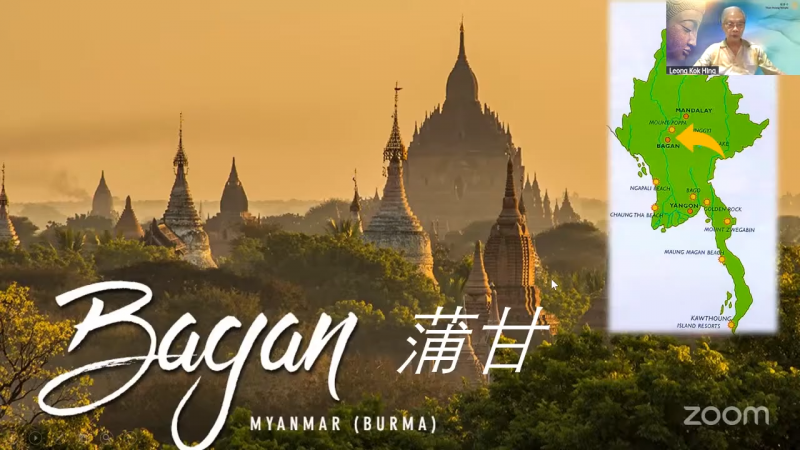
Former Principal of International Buddhist College, Brother Leong Kok Hing sharing " Bagan “
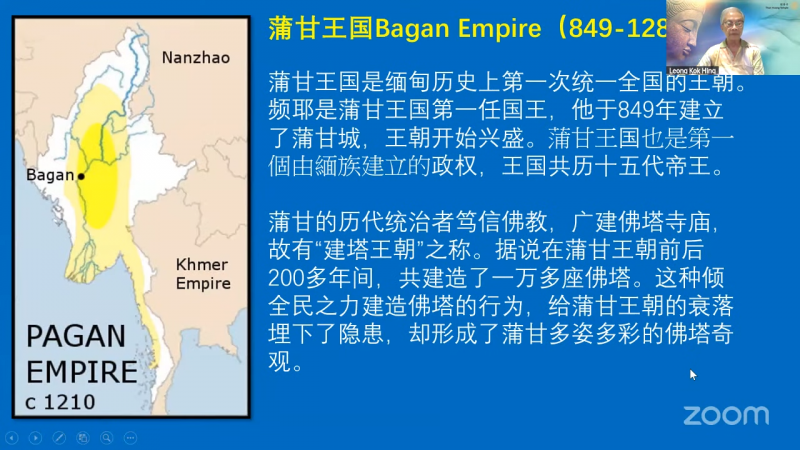
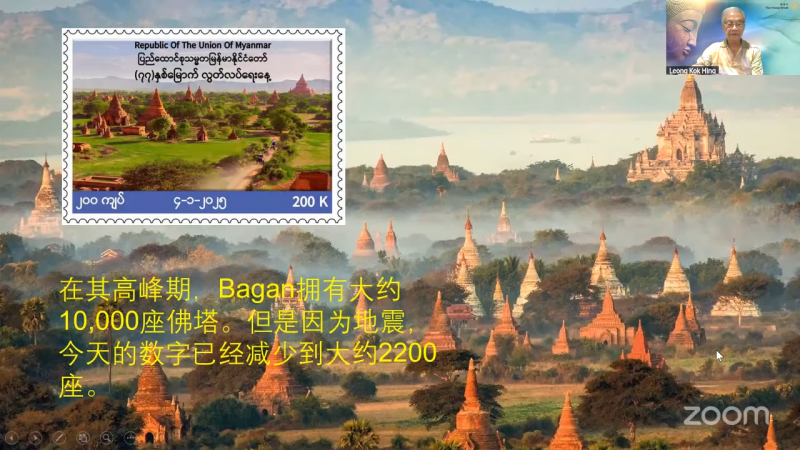
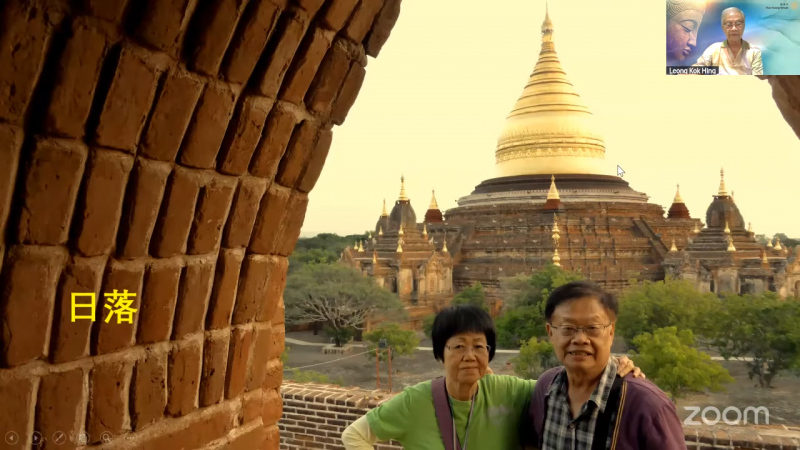
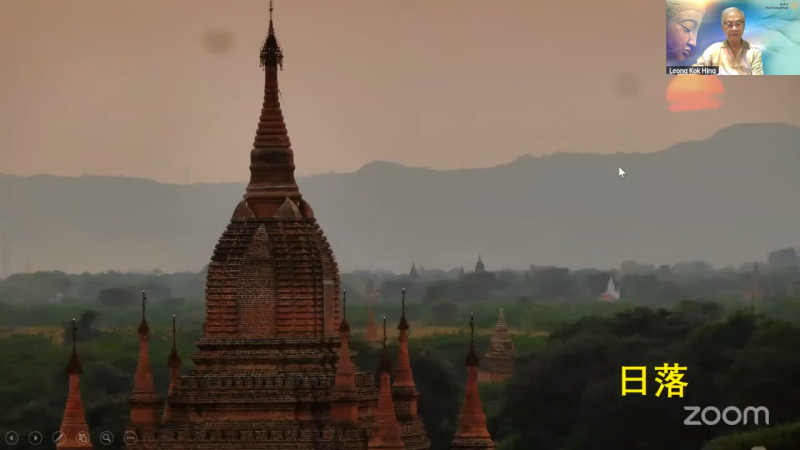
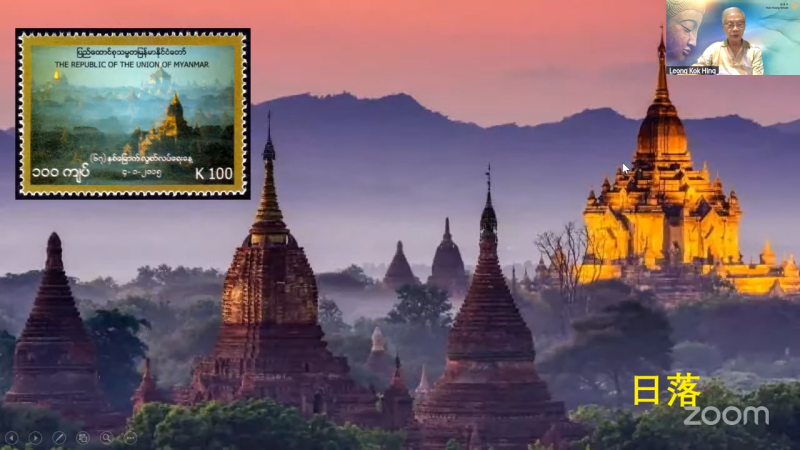
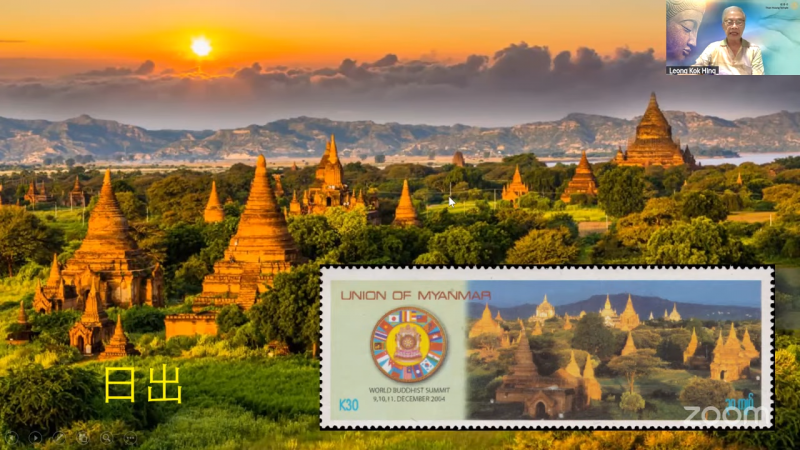
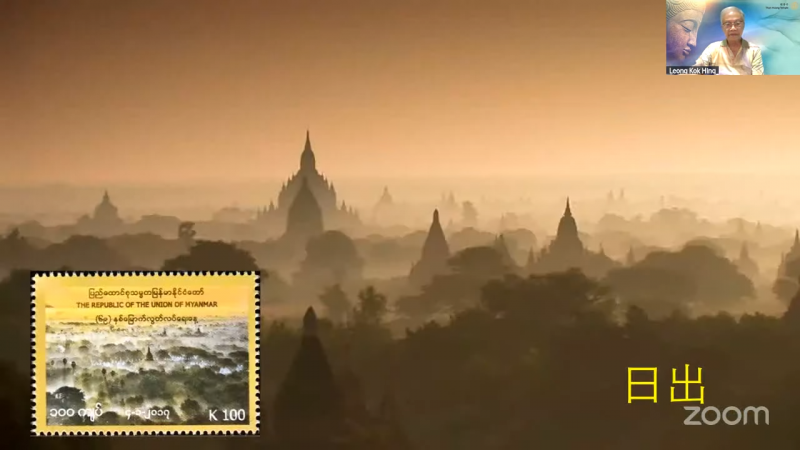
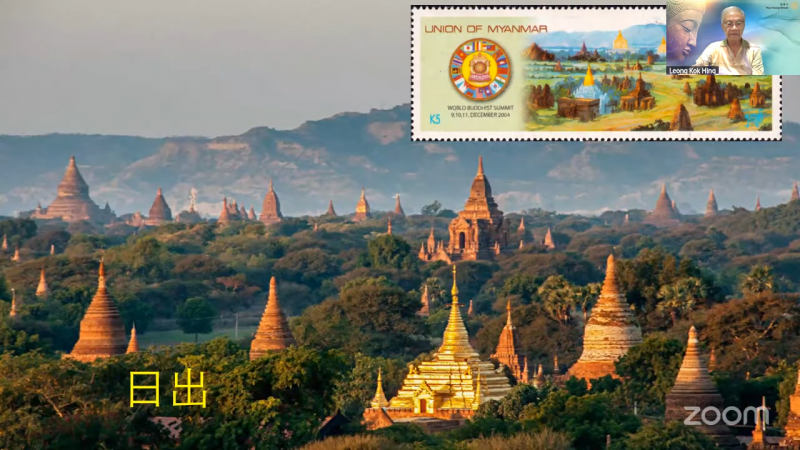
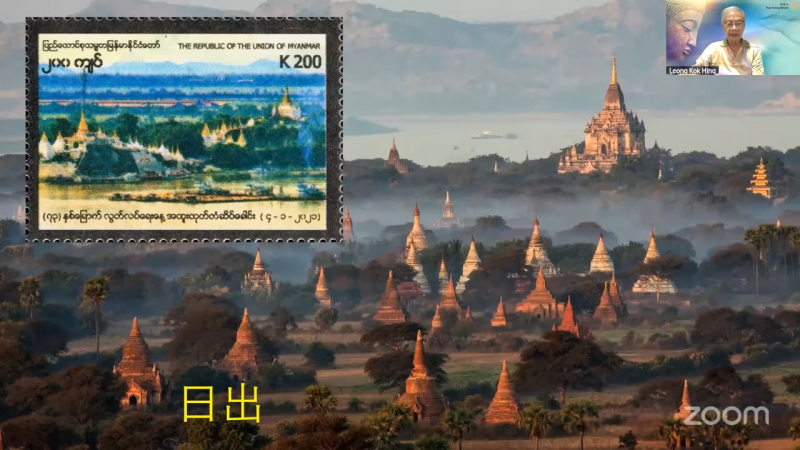
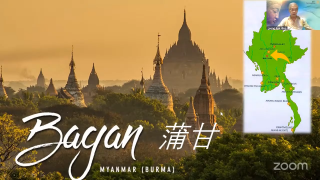
Bagan, formerly Pagan, is an ancient city situated in the Mandalay region of Myanmar, along the Ayeyarwady River. From the 9th to 13th centuries, it served as the capital of the Kingdom of Pagan. In 2019, Bagan was designated a UNESCO World Heritage Site.
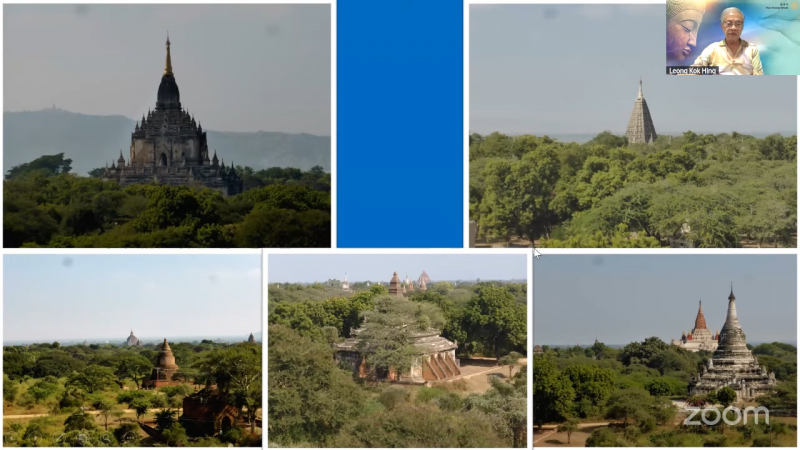
Bagan is especially famous for its numerous stupas (or pagodas). These Bagan-era stupas served as the prototypes for later Burmese stupas, influencing their symbolism, form, design, building techniques, and even the materials used.
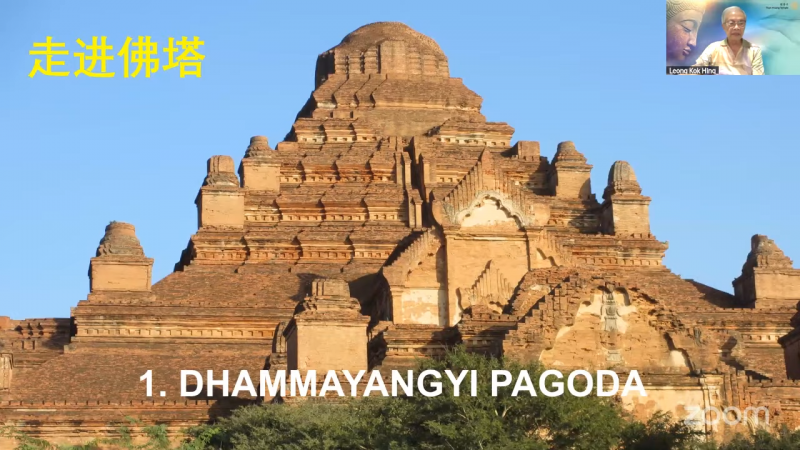
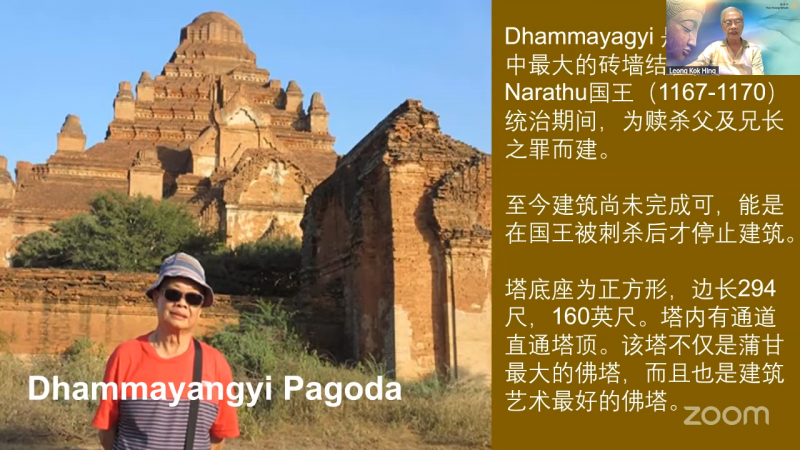
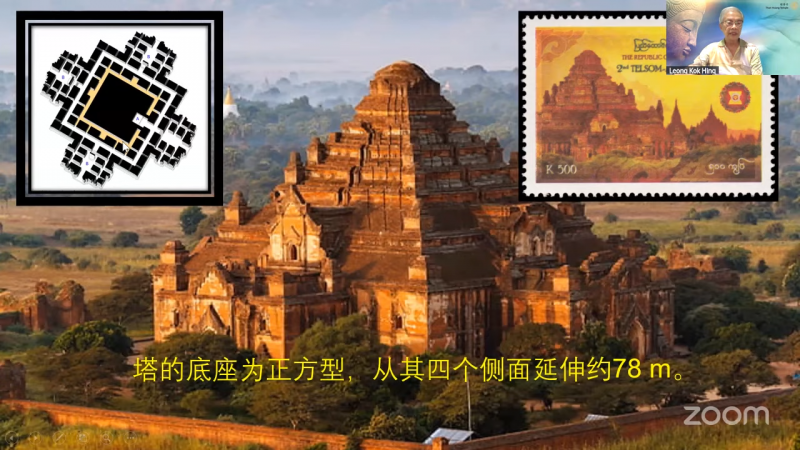
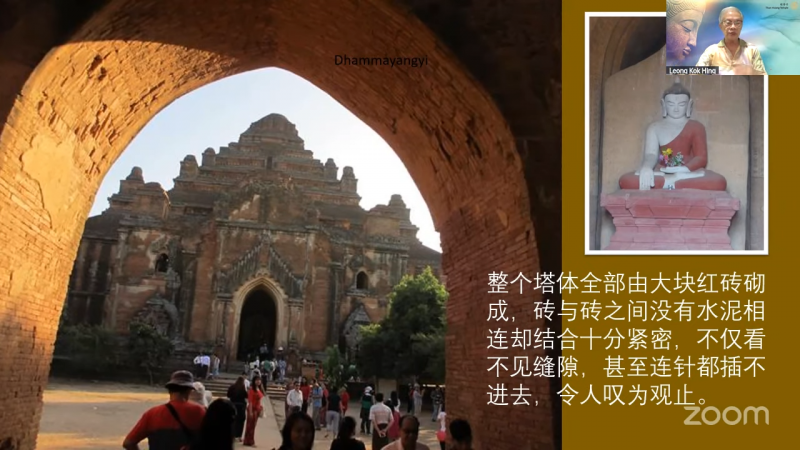
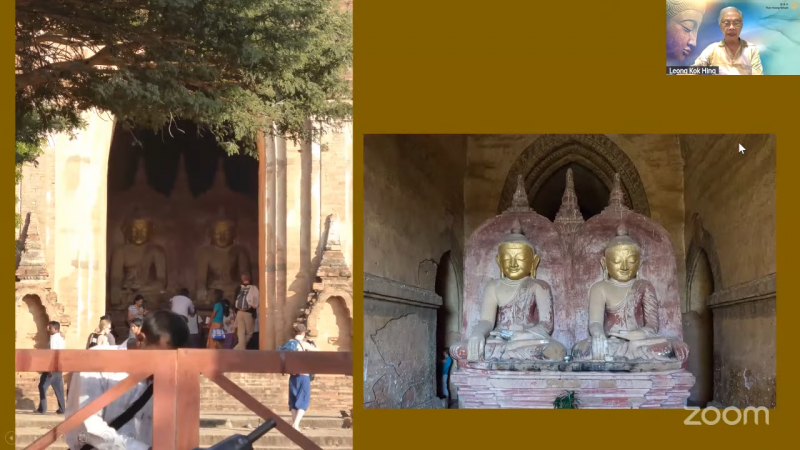
1. Dhammayangyi Pagoda
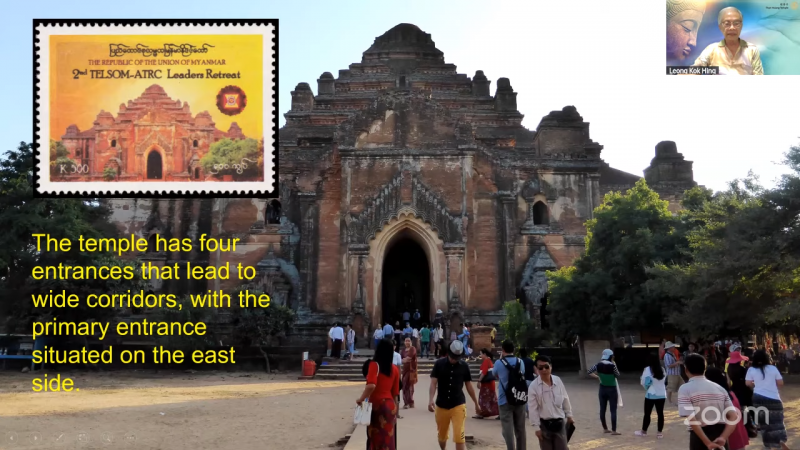
The temple has four entrances that lead to wide corridors, with the primary entrance situated on the east side.
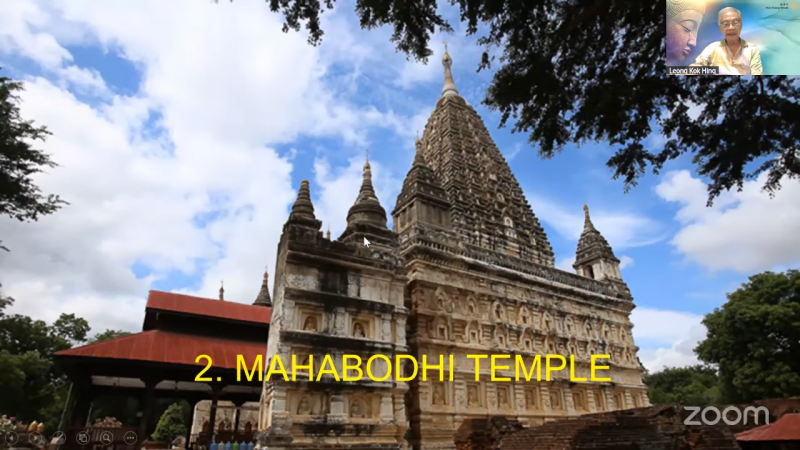
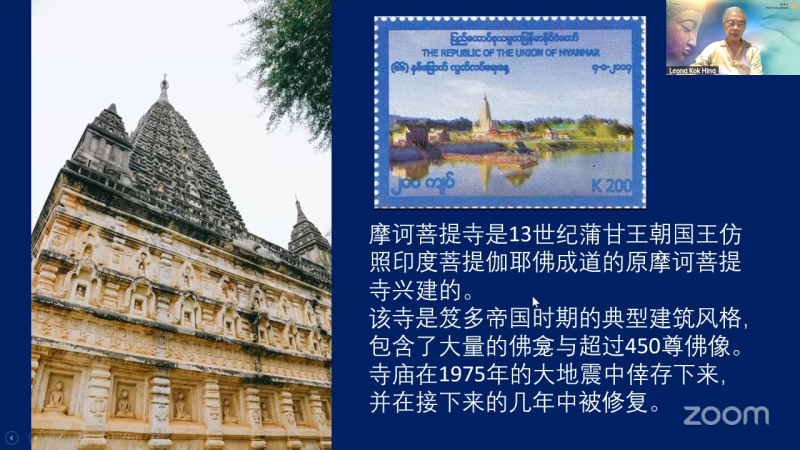
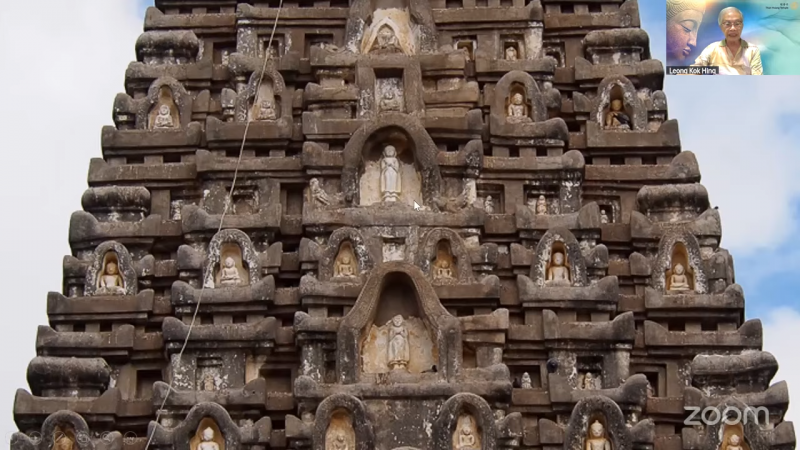
2. Mahabodhi Temple
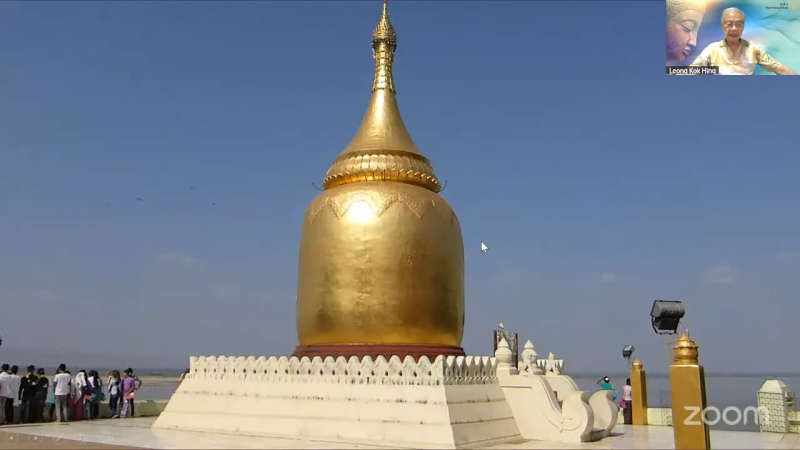
3. Bupaya Pagoda
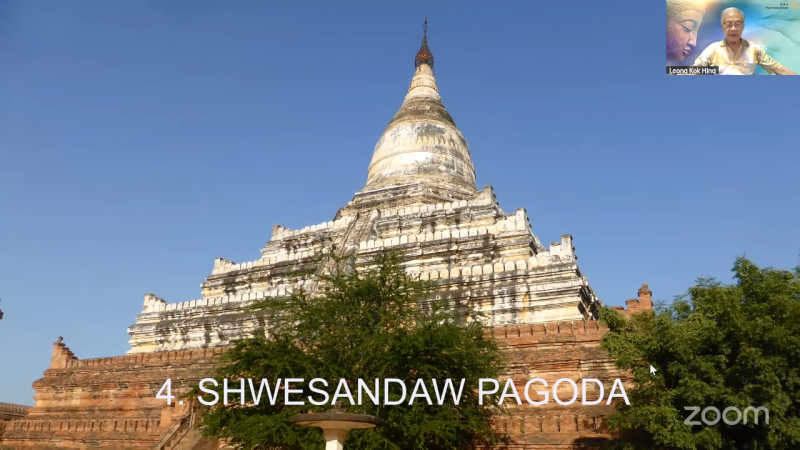
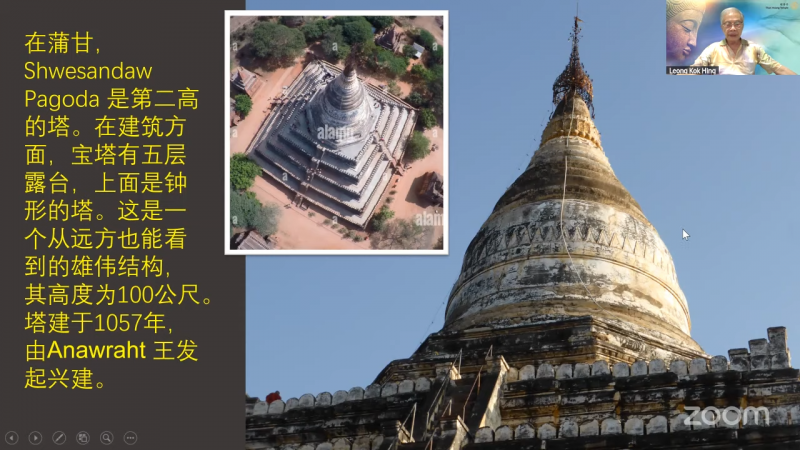
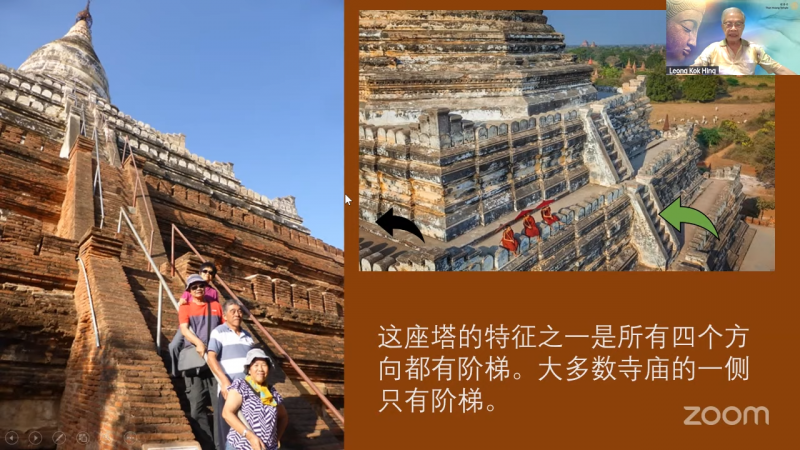
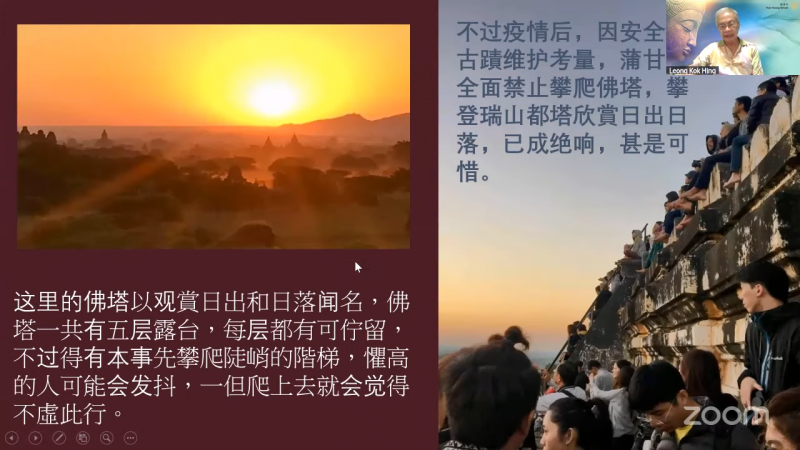
4. Shwesandaw Pagoda
5. Shwegugyi Pagoda
The temple was built by King Sithu I of Pagan (Bagan) in 1131.
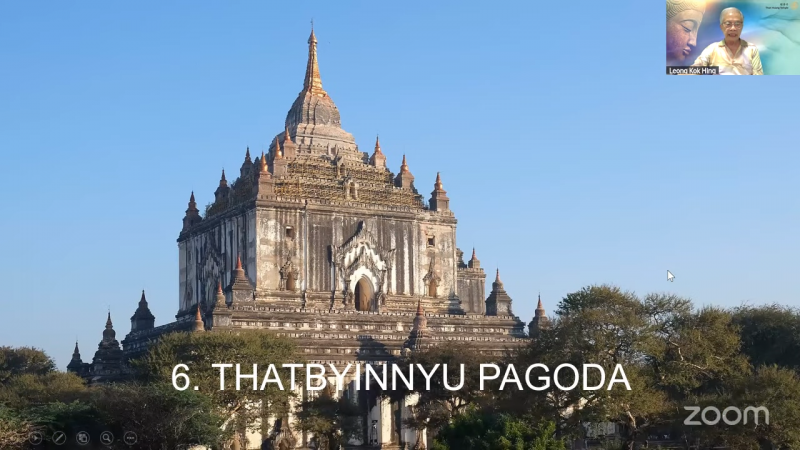
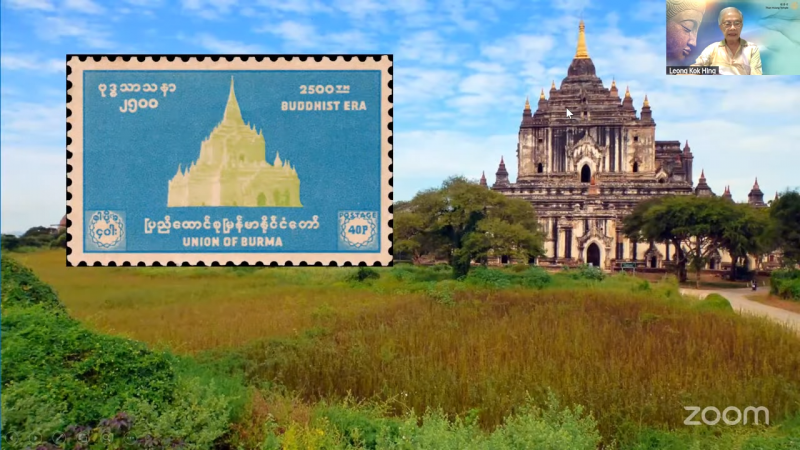
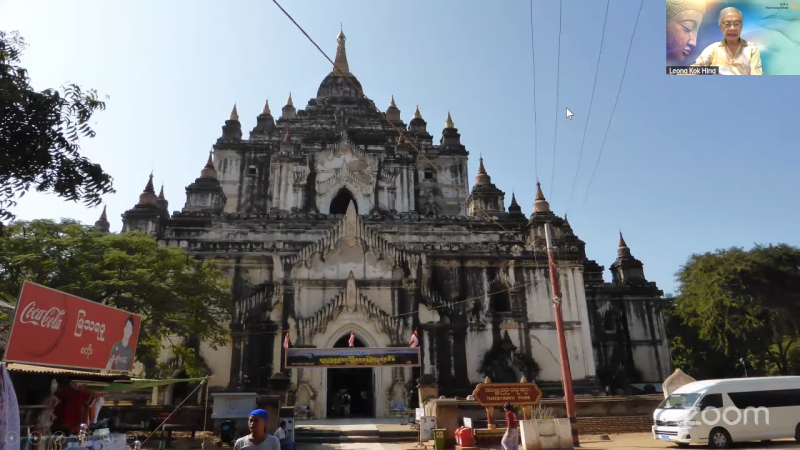
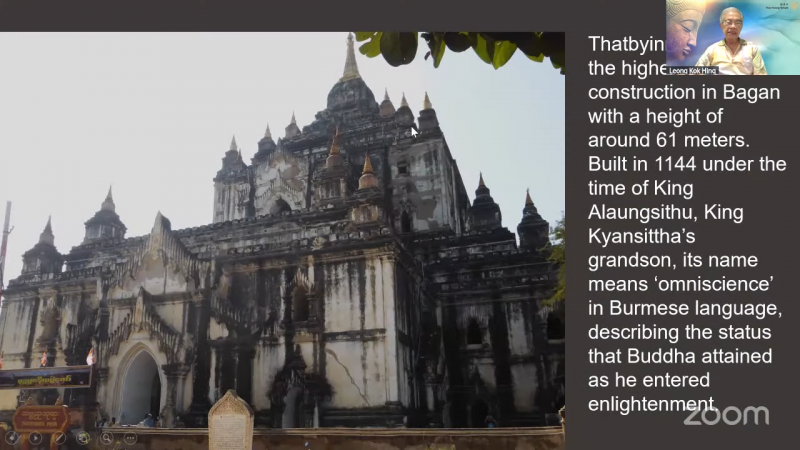
6. Thatbyinnyu Pagoda
Thatbyinnyu Pagoda is the highest construction in Bagan with a height of around 61 meters.
Built in 1144 under the time of King Alaungsithu, King Kyansittha's grandson, its name means 'omniscience' in Burmese language, describing the status that Buddha attained as he entered enlightenment.
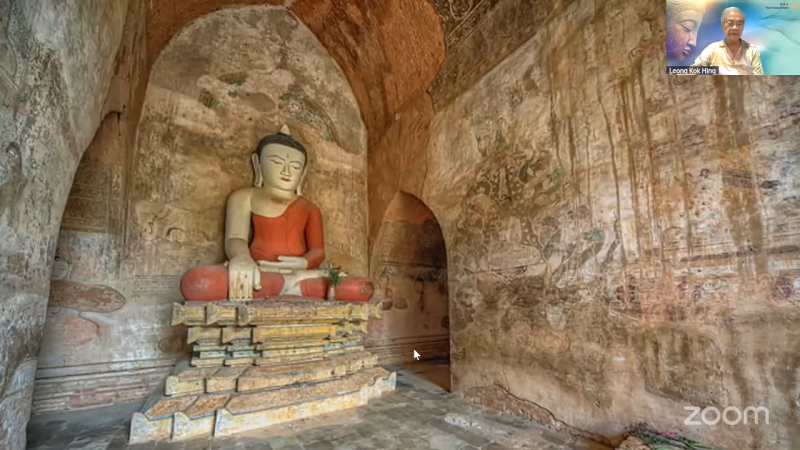
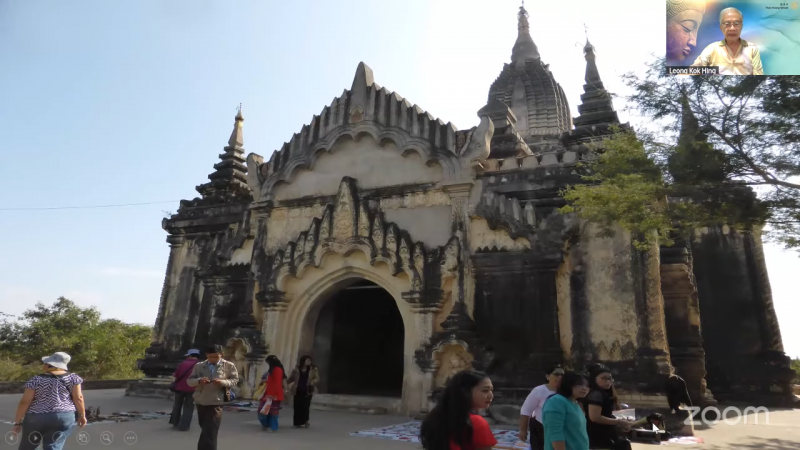
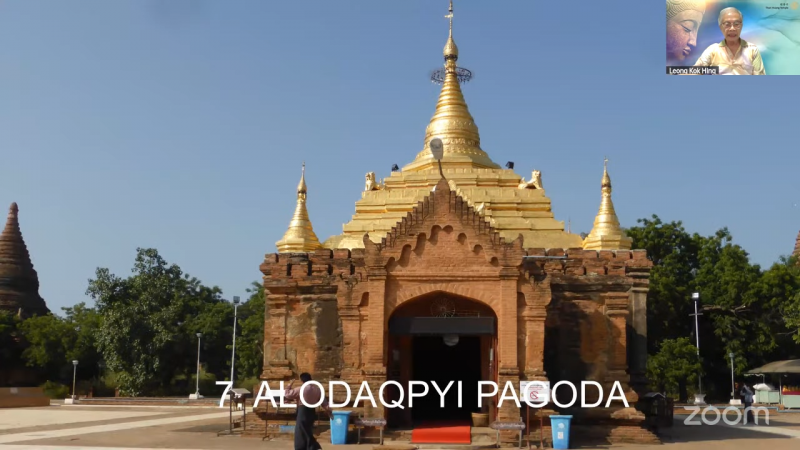
7. Alodawpyi Pagoda
The temple's name translates to "Wish-fulfilling”.
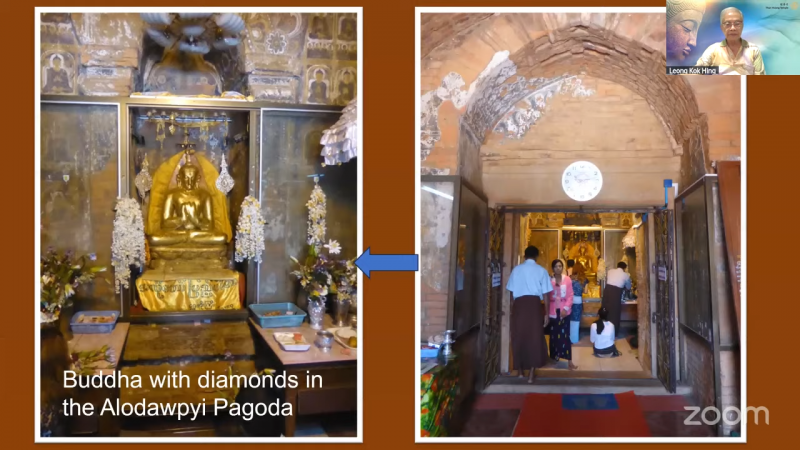
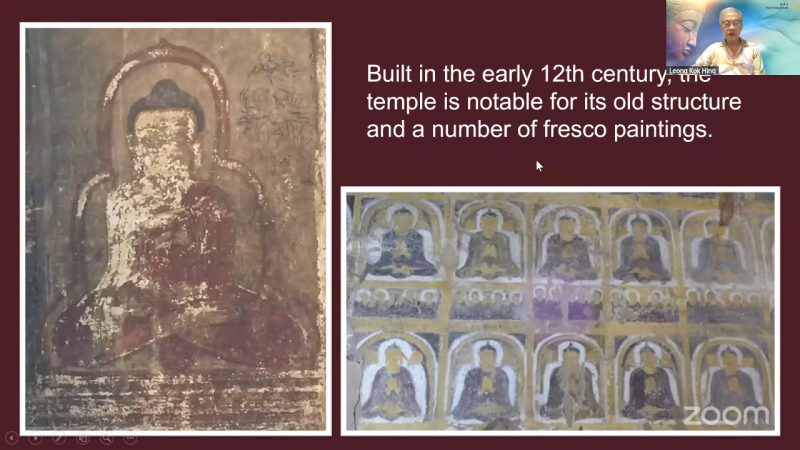
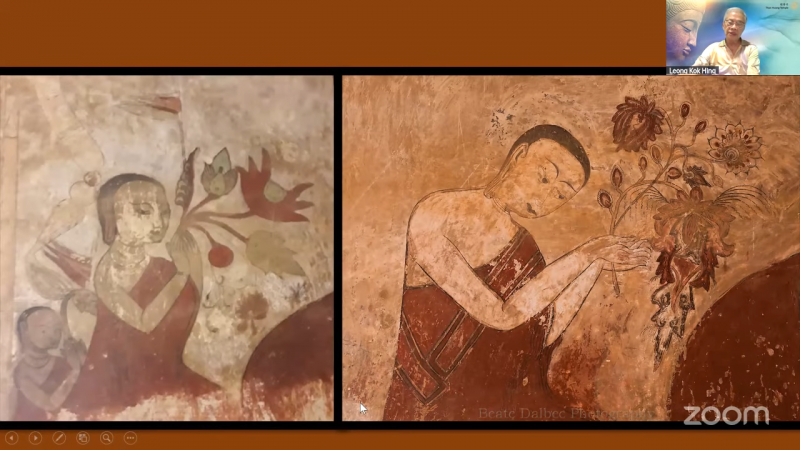
Built in the early 12th century, the temple is notable for its old structure and a number of fresco paintings.
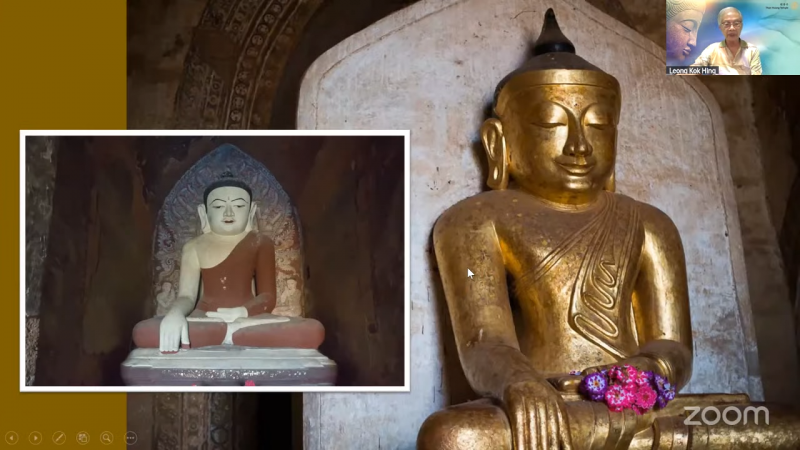
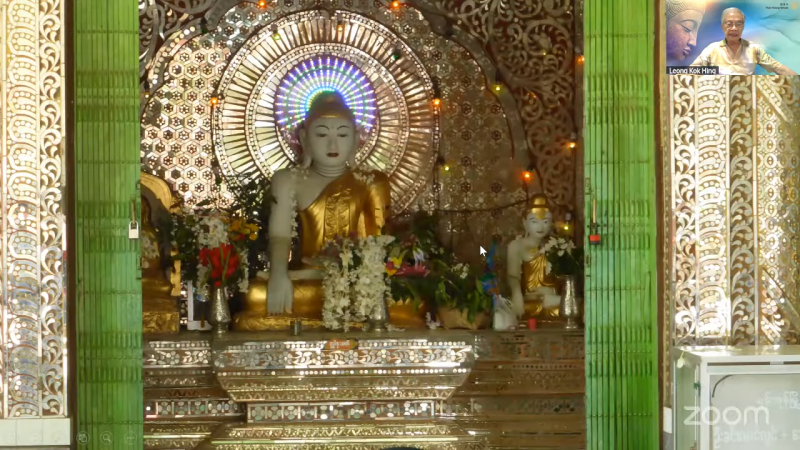
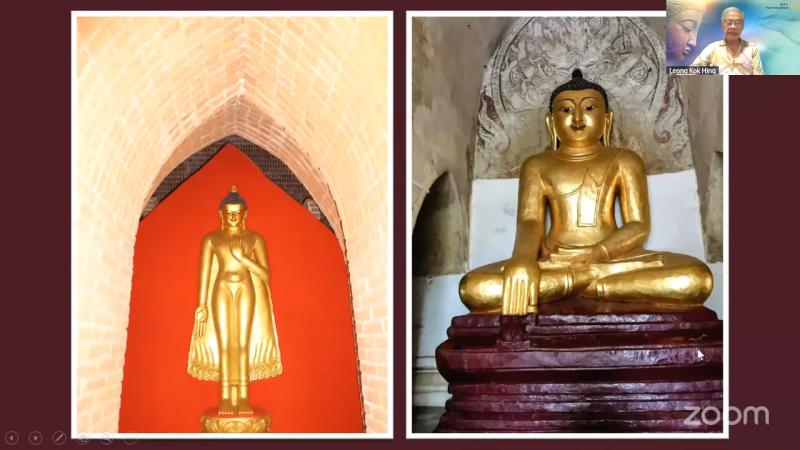
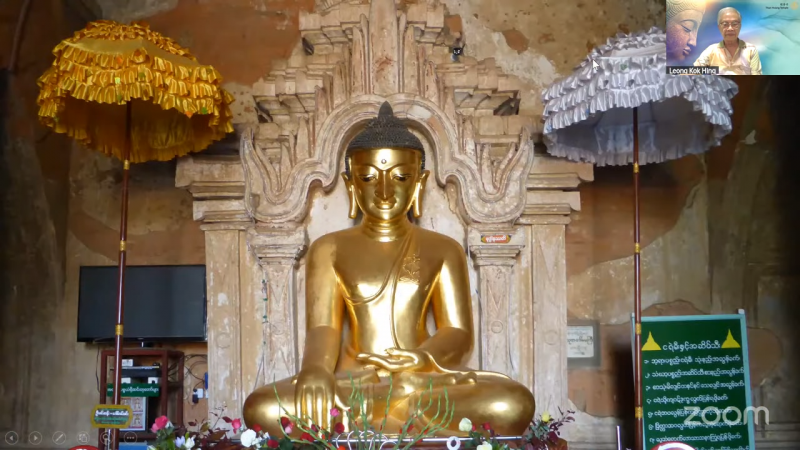
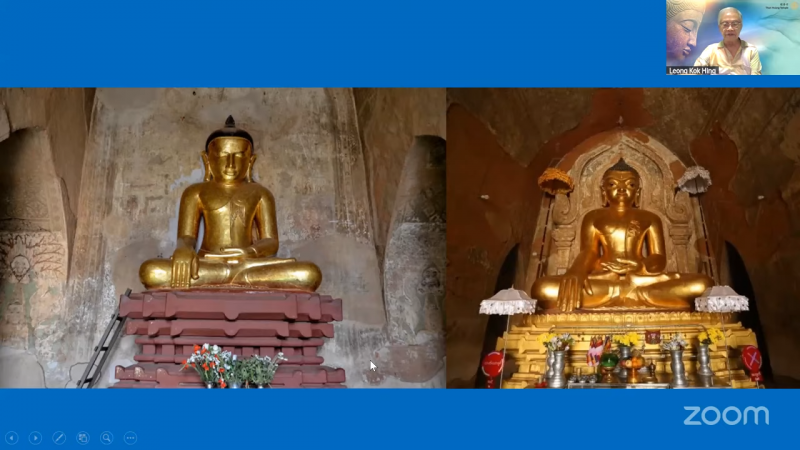
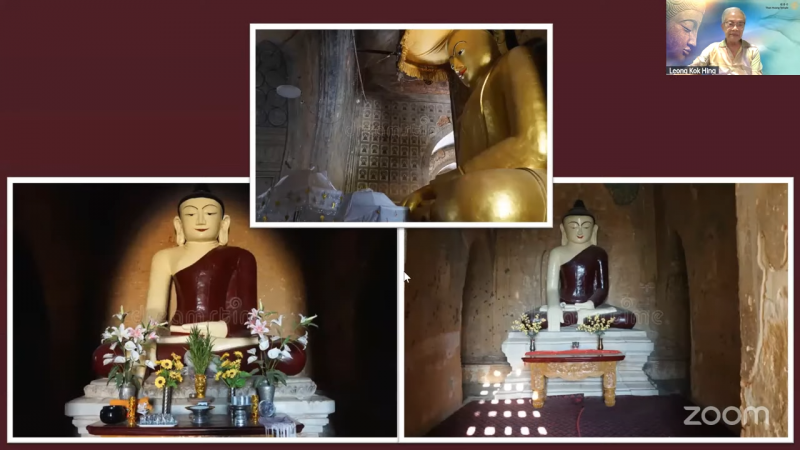
Buddha with diamonds in the Alodawpyi Pagoda.
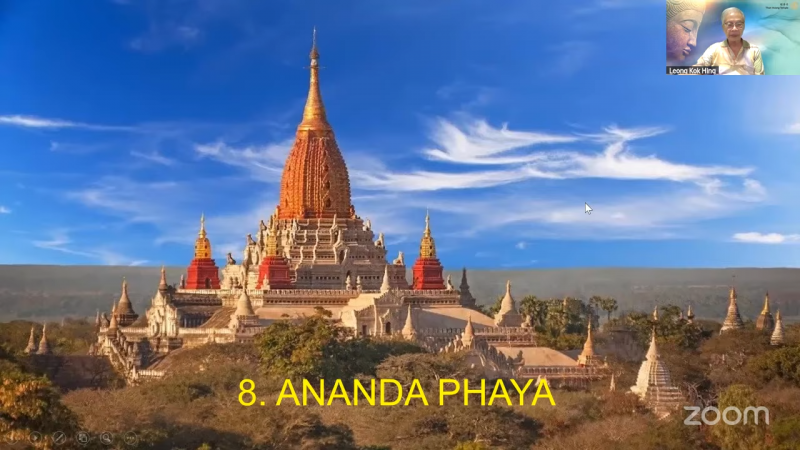
8. Ananda Phaya
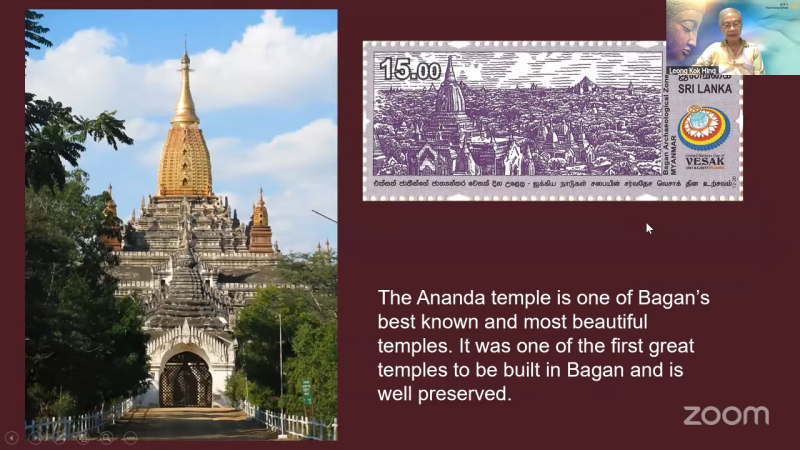
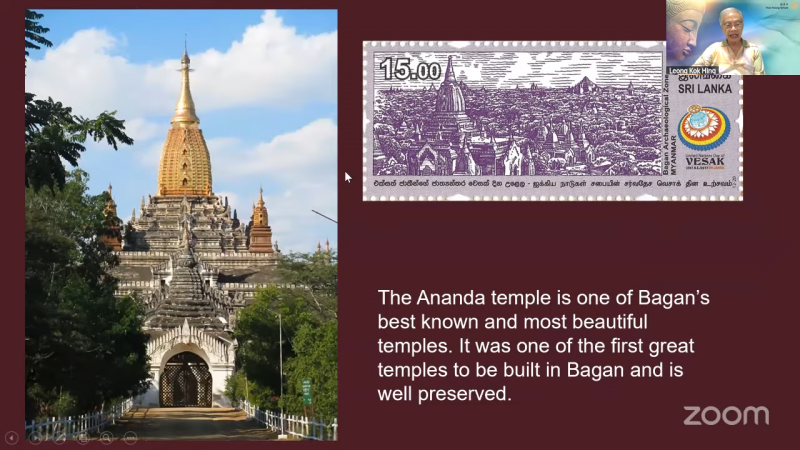
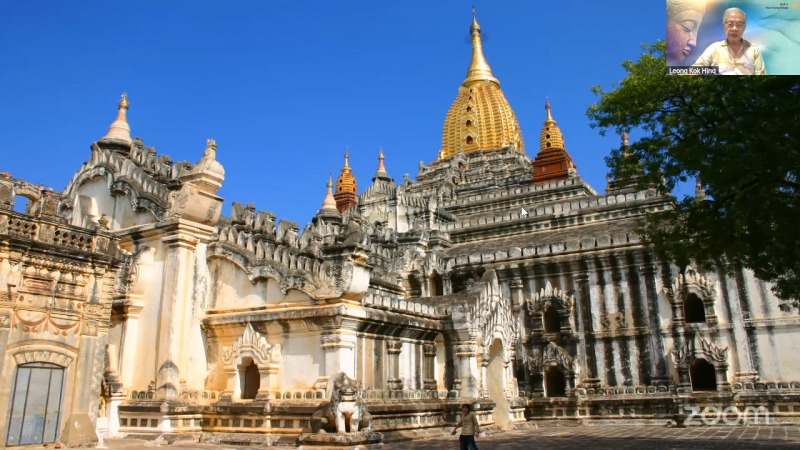
The Ananda temple is one of Bagan's best known and most beautiful temples. It was one of the first great temples to be built in Bagan and is well preserved.
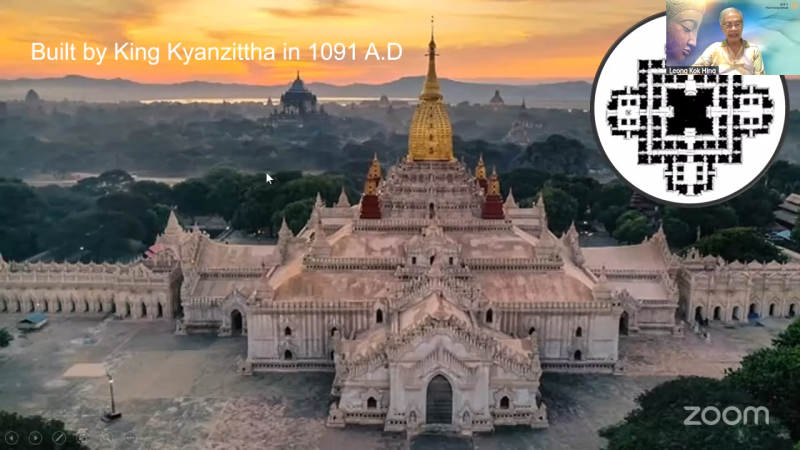
Built by King Kyanzittha in 1091 A.D
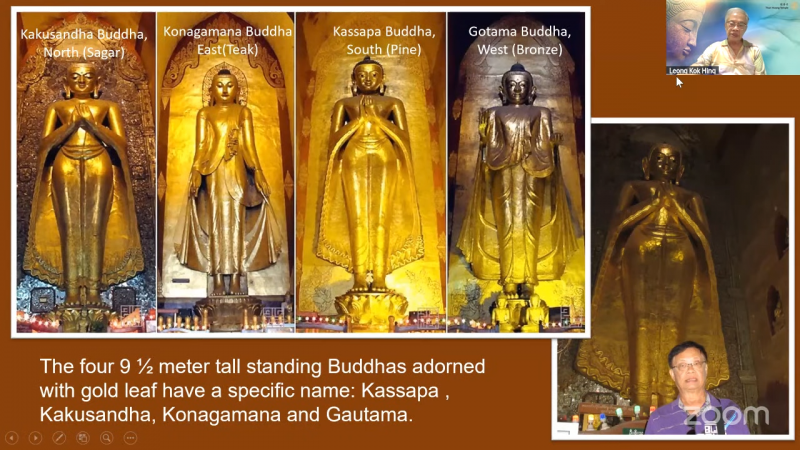
The four 9.5 meter tall standing Buddhas adorned with gold leaf have a specific name: Kassapa, Kakusandha, Konagamana and Gautama.
North: Kakusandha Buddha (Sagar)
East: Konagamana Buddha (Teak)
South: Kassapa Buddha (Pine)
West: Gotama Buddha (Bronze)
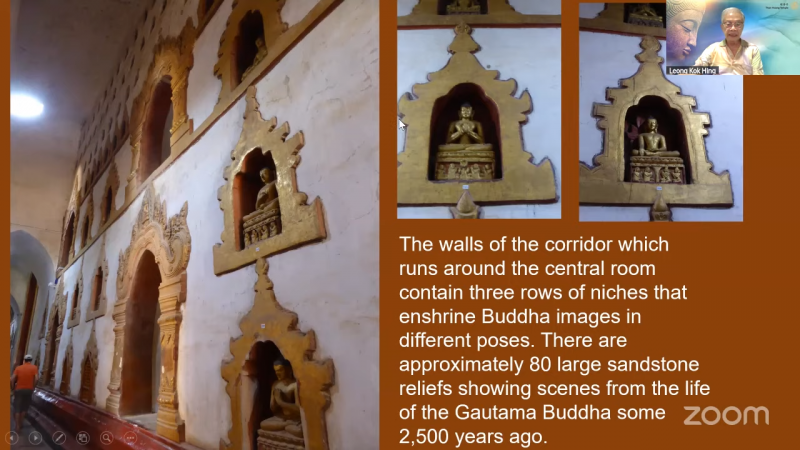
The walls of the corridor which runs around the central room contain three rows of niches that enshrine Buddha images in different poses. There are approximately 80 large sandstone reliefs showing scenes from the life of the Gautama Buddha some 2,500 years ago.
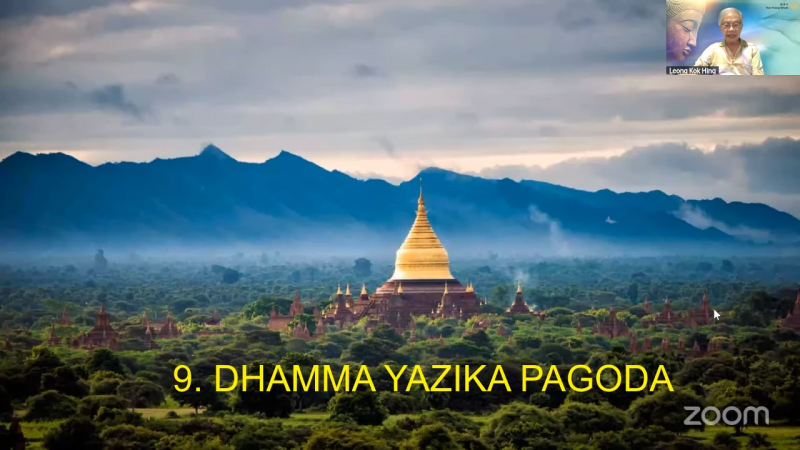
9. Dhamma Yazika Pagoda
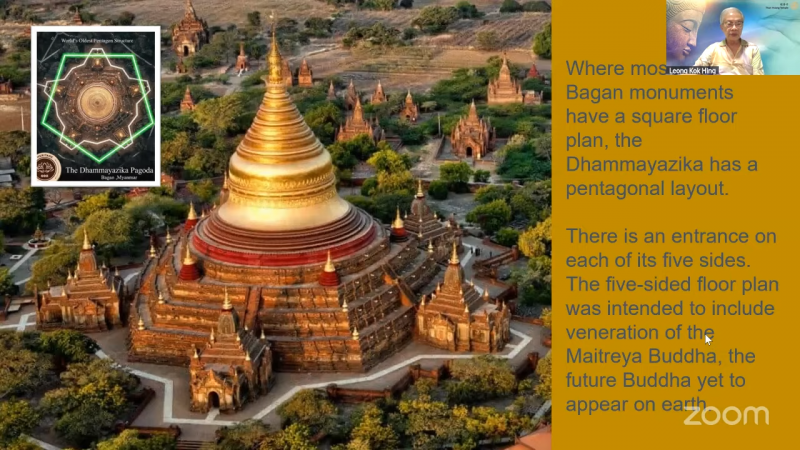
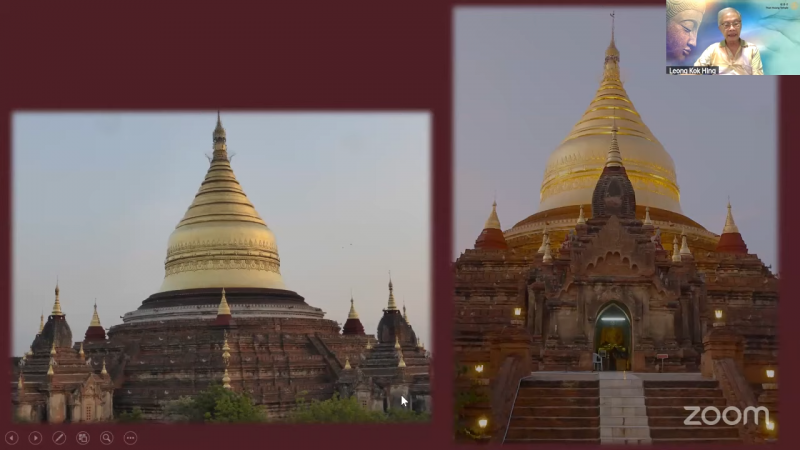
Where most Bagan monuments have a square floor plan, the Dhammayazika has a pentagonal layout.
There is an entrance on each of its five sides. The five-sided floor plan was intended to include veneration of the Maitreya Buddha, the future Buddha yet to appear on earth.
10. Htilominlo Pagoda
The temple is three-storied tall, with a height of 151 ft, and built with red brick. It is also known for its elaborate plaster moldings.
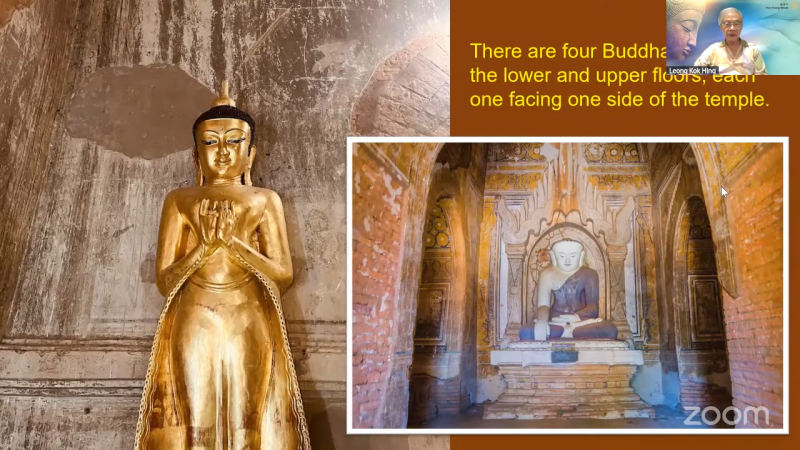
There are four Buddha in the lower and upper flours, each one facing one side of the temple.
11. Shwezigon Pagoda
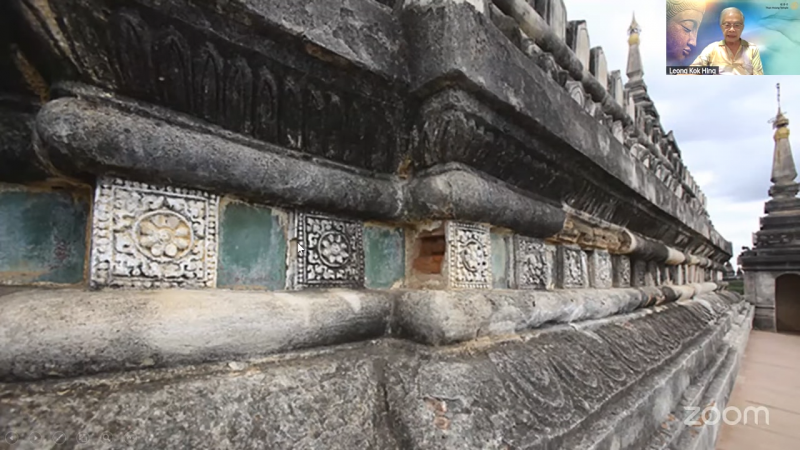
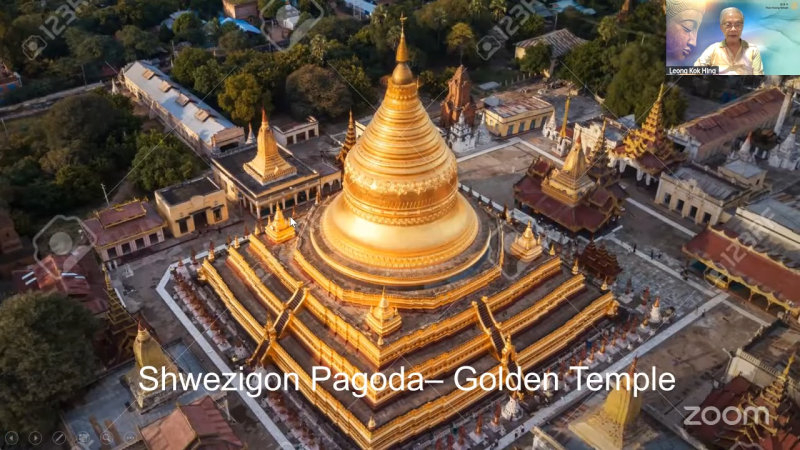
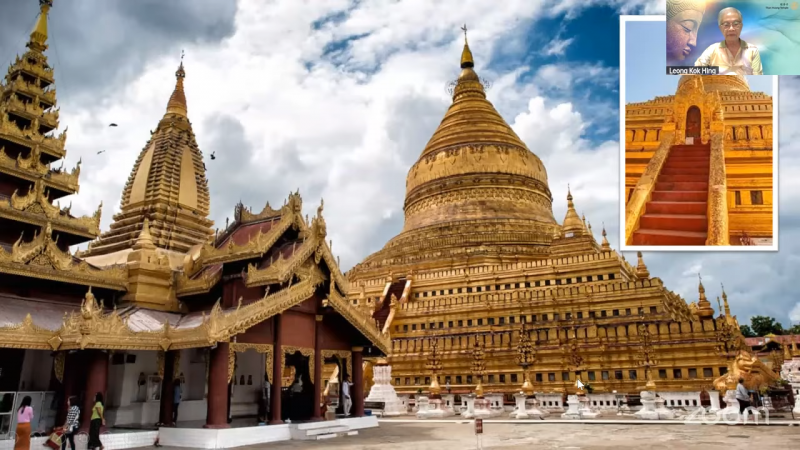
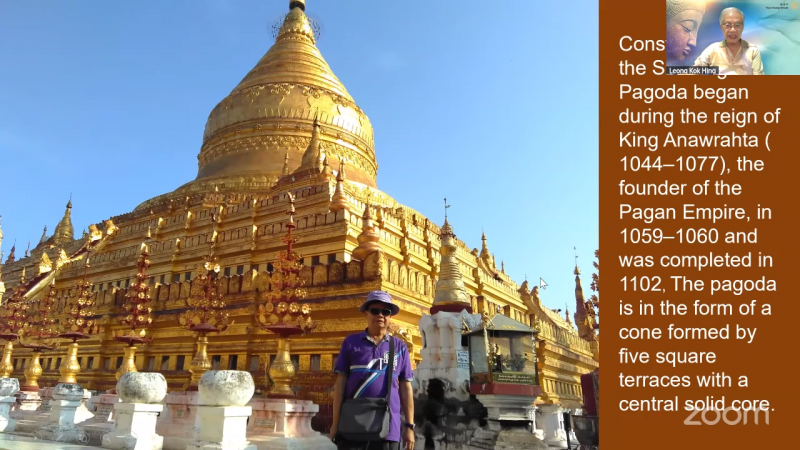
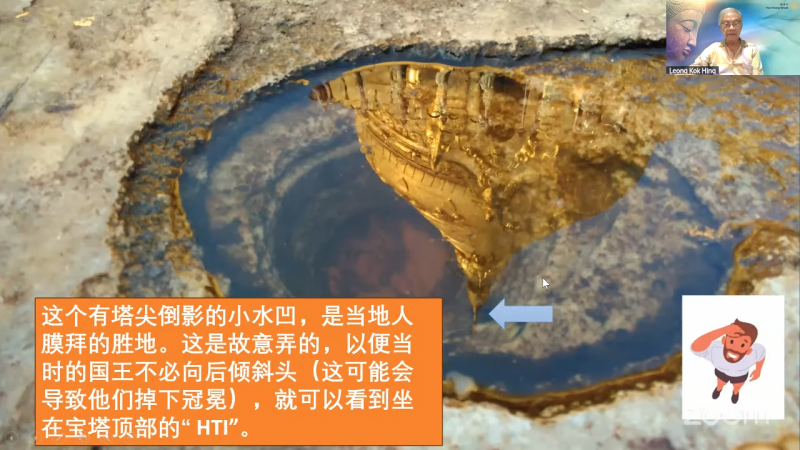
Construction of the Shwezigon Pagoda began during the reign of King Anawrahta ( 1044 —1077 ), the founder of the Pagan Empire, in 1059-1060 and was completed in 1102, The pagoda is in the form of a cone formed by five square terraces with a central solid core.
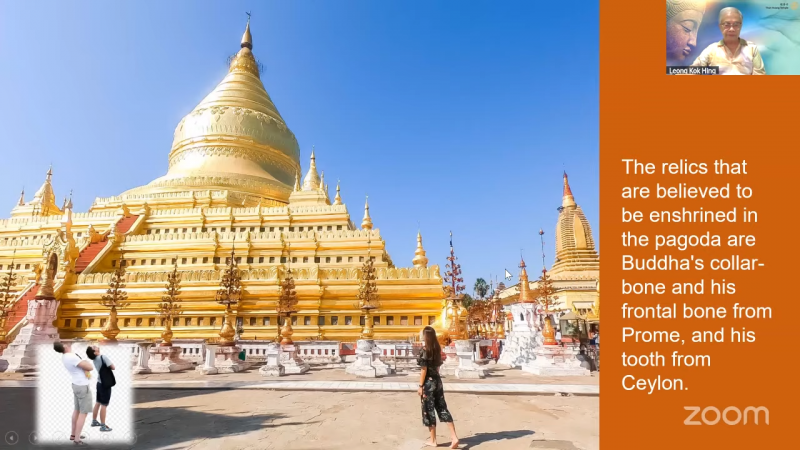
The relics that are believed to be enshrined in the pagoda are Buddha's collar- bone and his frontal bone from Prome, and his tooth from Ceylon.
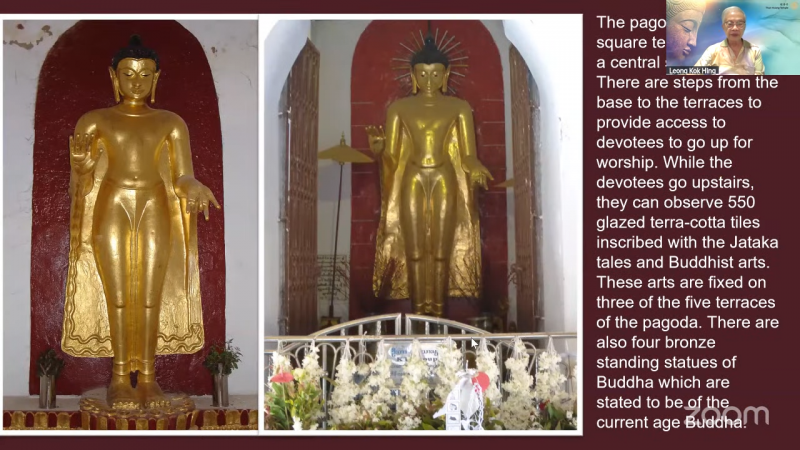
The pagoda square terrace at a central. There are steps from the base to the terraces to provide access to devotees to go up for worship. While the devotees go upstairs, they can observe 550 glazed terra-cotta tiles inscribed with the Jataka tales and Buddhist arts. These arts are fixed on three of the five terraces of the pagoda. There are also four bronze standing statues of Buddha which are stated to be of the current age Buddha.
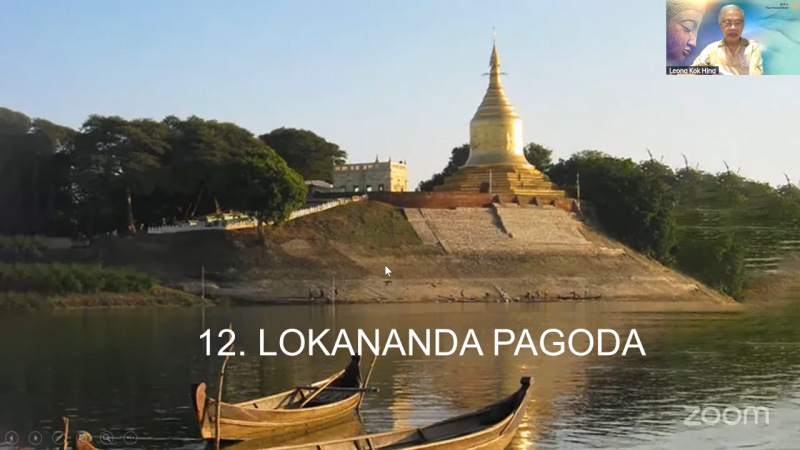
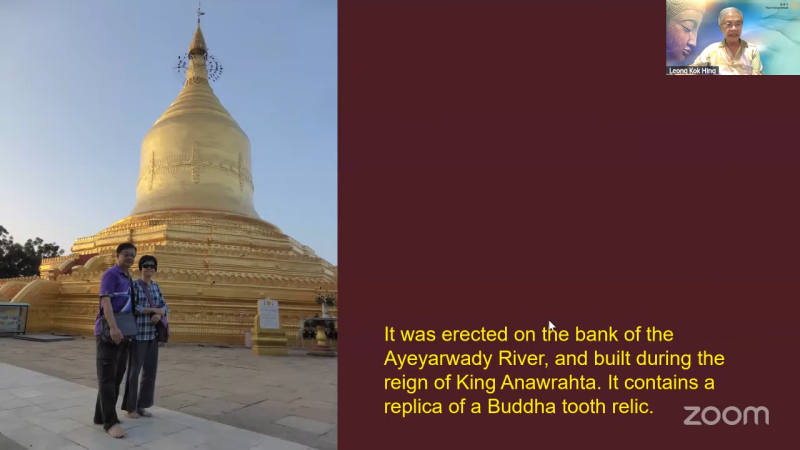
12. Lokananda Pagoda
It was erected on the bank of the Ayeyarwady River, and built during the reign of King Anawrahta. It contains a replica of a Buddha tooth relic.
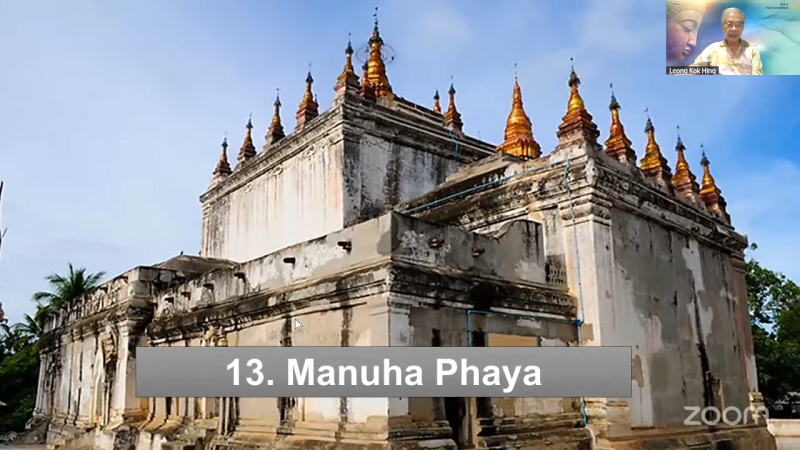
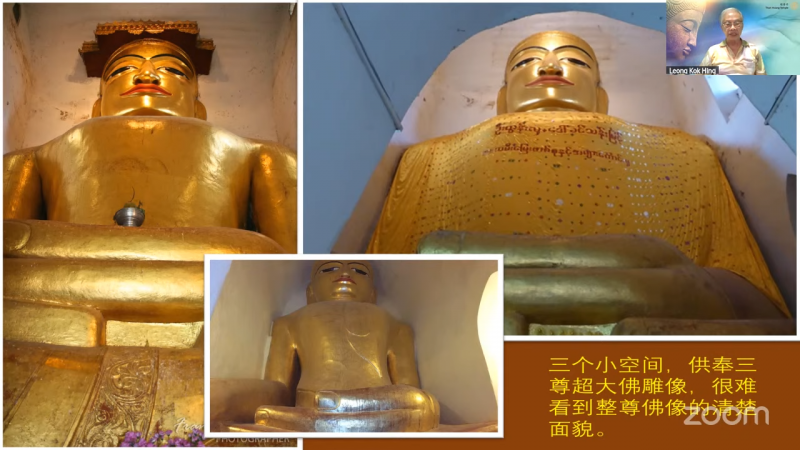
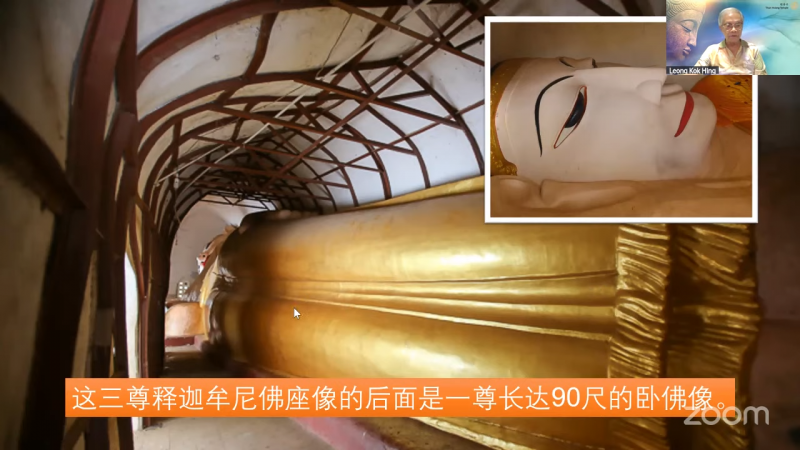
13. Manuha Phaya
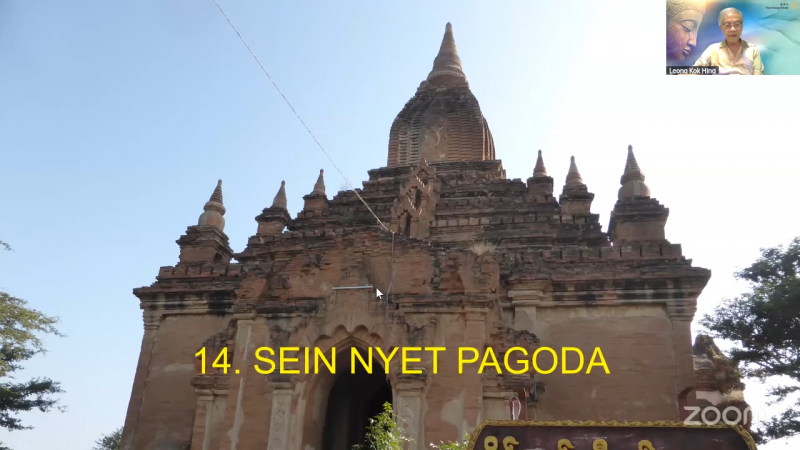
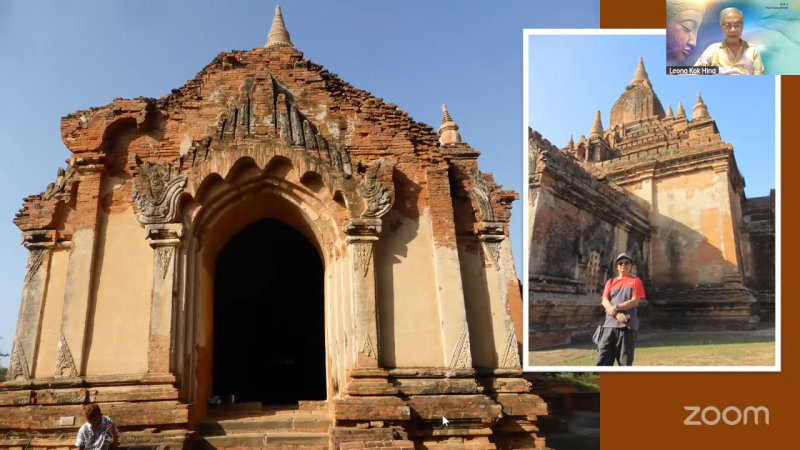
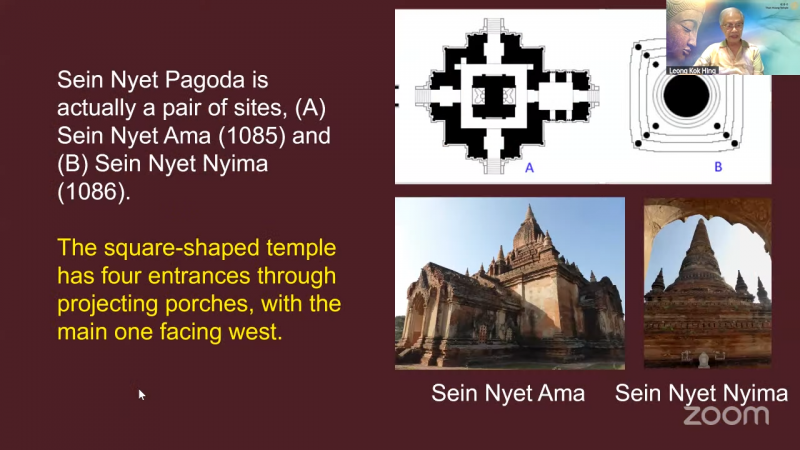
14. Sein Nyet Pagoda
Sein Nyet Pagoda is actually a pair of sites:
(A) Sein Nyet Ama (1085), and
(B) Sein Nyet Nyima (1086).
The square-shaped temple has four entrances through projecting porches, with the main one facing west.
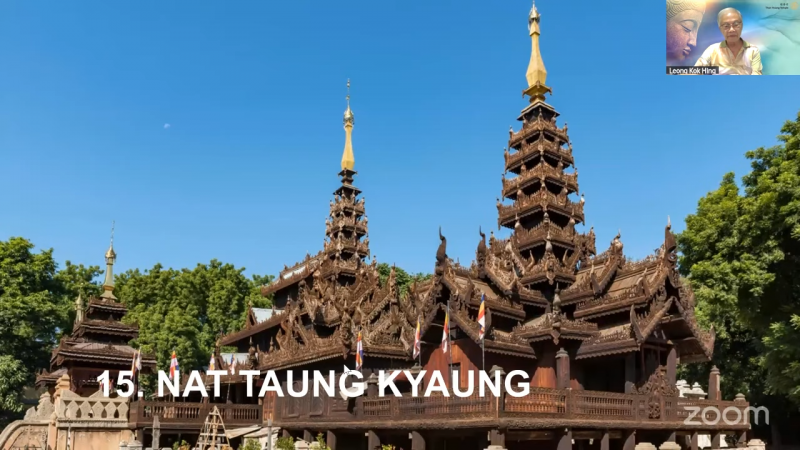
15. Nat Taung Kyaung
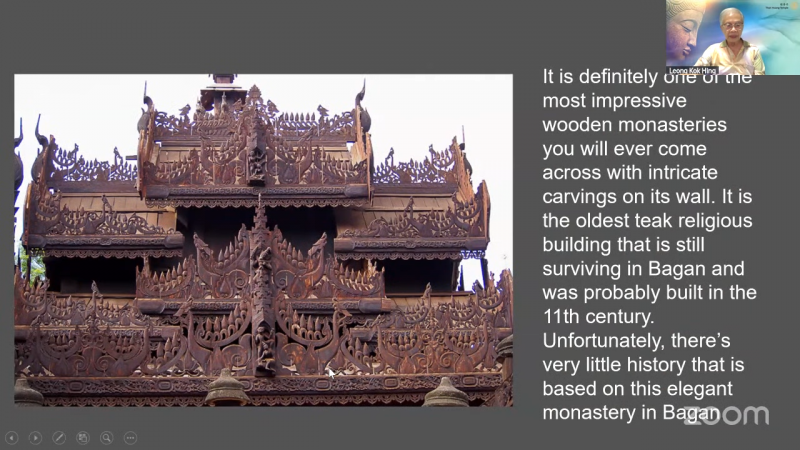
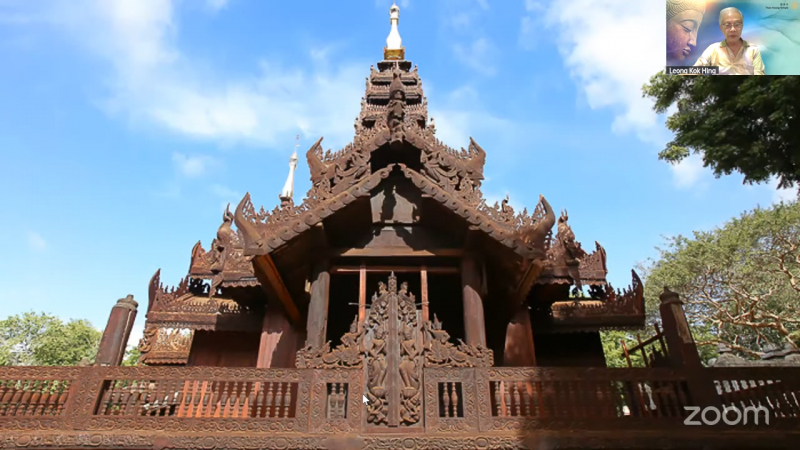
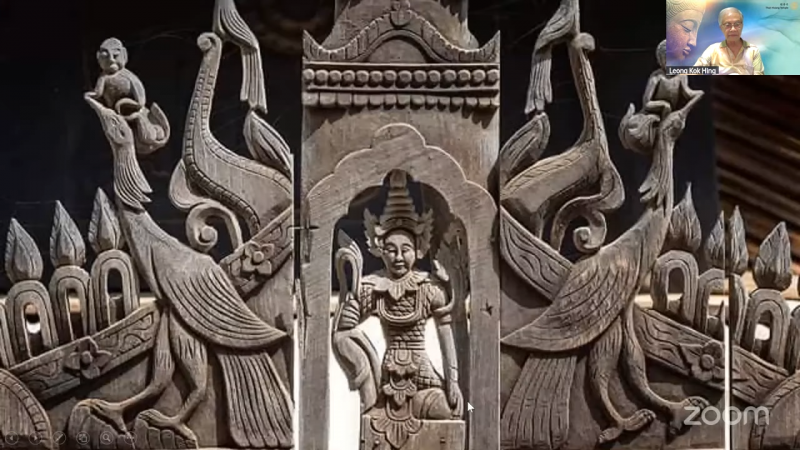
It is definitely one of me most impressive wooden monasteries you will ever come across with intricate carvings on its wall. It is the oldest teak religious building that is still surviving in Bagan and was probably built in the 11th century.
Unfortunately, there's very little history that is based on this elegant monastery in Bagan.
16. Sulaimani Pagoda
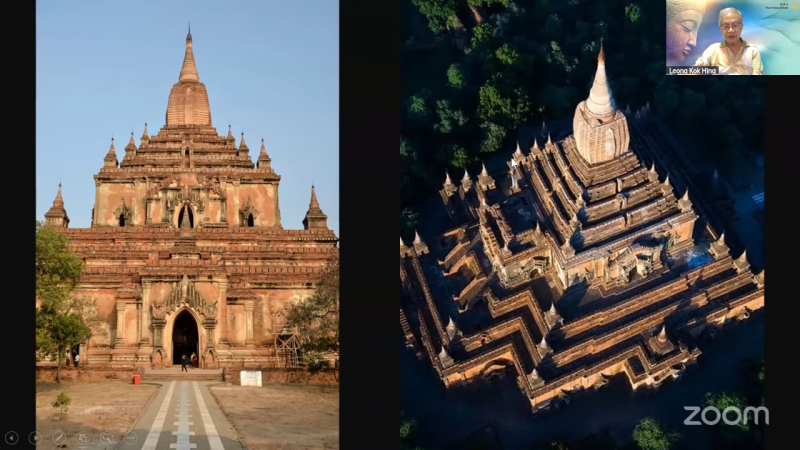
It was built in 1183 by King Narapatisithu, and is similar to the Thatbyunnyu Pagoda in design. The Sulamani Pagoda also shows influence from the Dhammayangyi Pagoda, and was the model for the Htilominlo Pagoda.
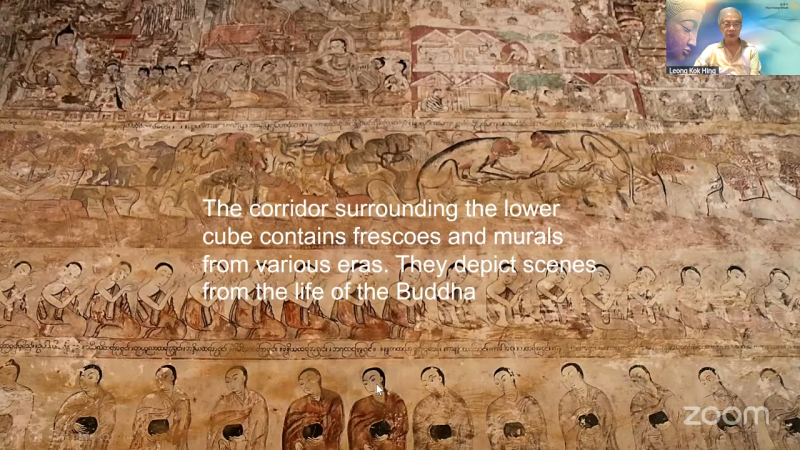
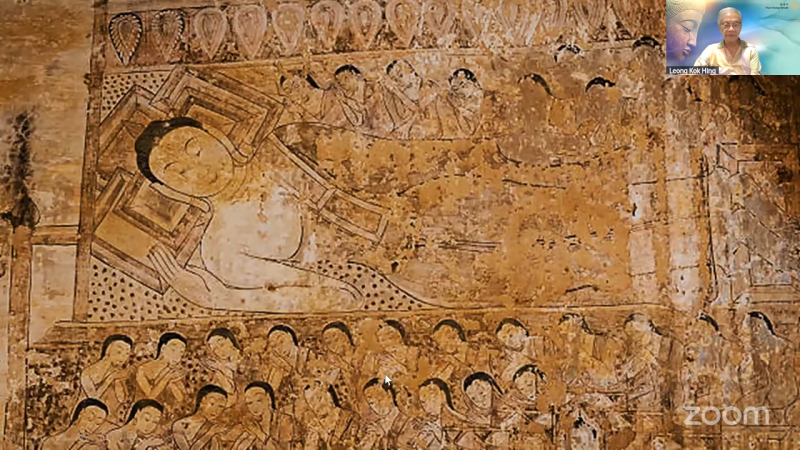
The corridor surrounding the lower cube contains frescoes and murals from various eras. They depict scenes from the life of the Buddha.
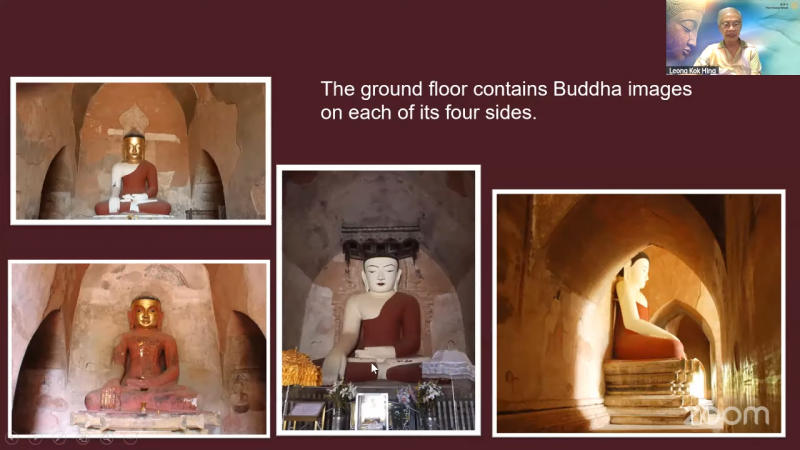
The ground floor contains Buddha images on each of its four sides.
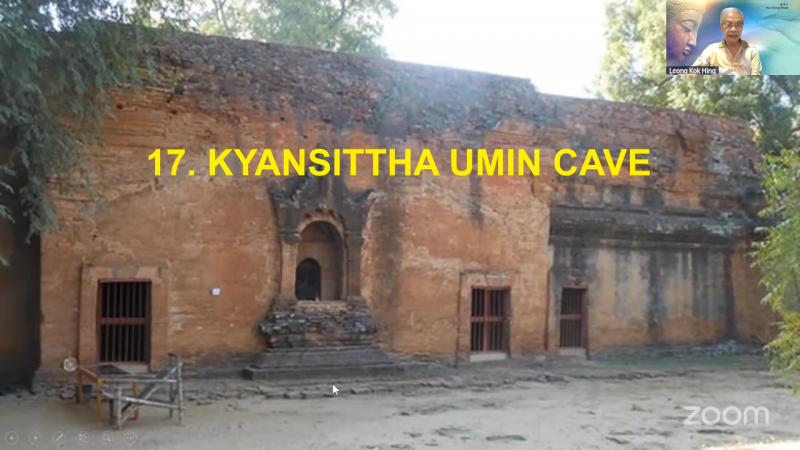
17. Kyansittha Umin Cave
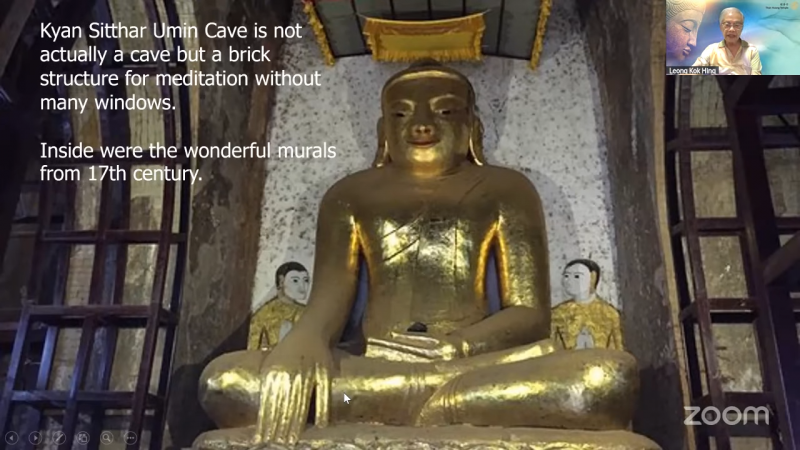
Kyan Sitthar Umin Cave is not actually a cave but a brick structure for meditation without many windows.
Inside were the wonderful murals from 17th century.
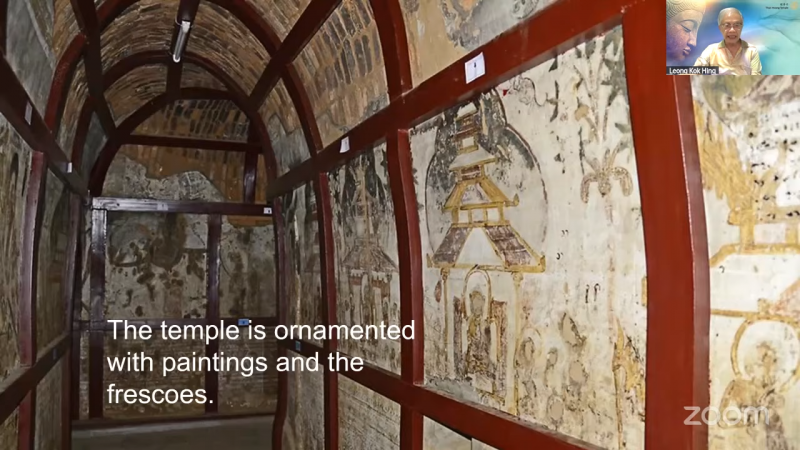
The temple is ornamented with paintings and the frescoes.
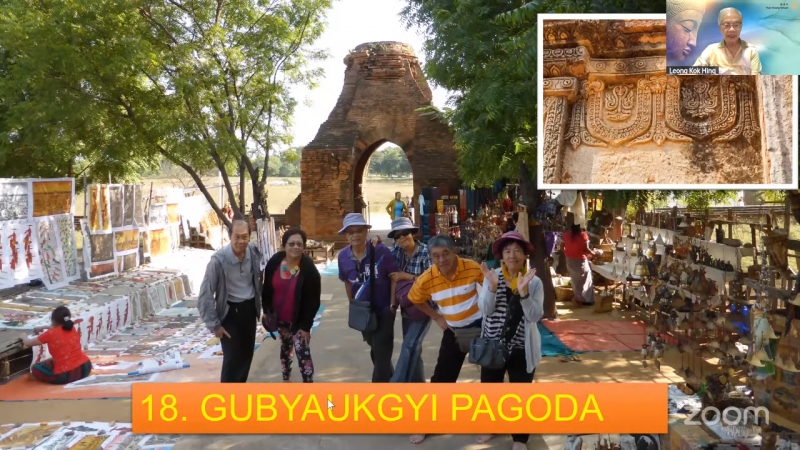
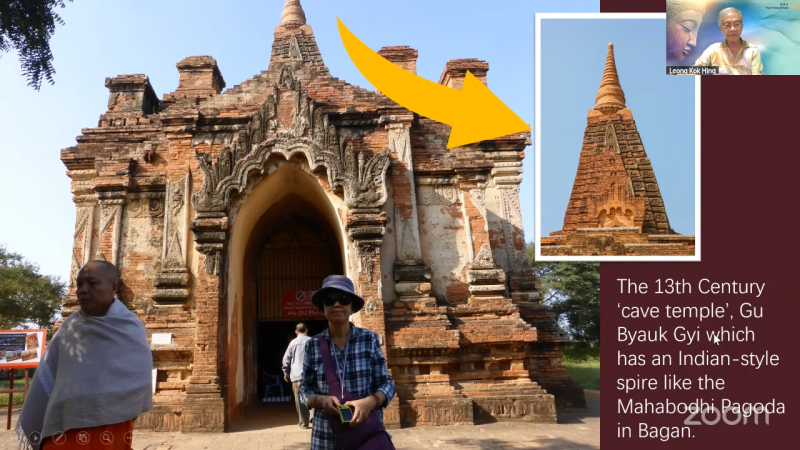
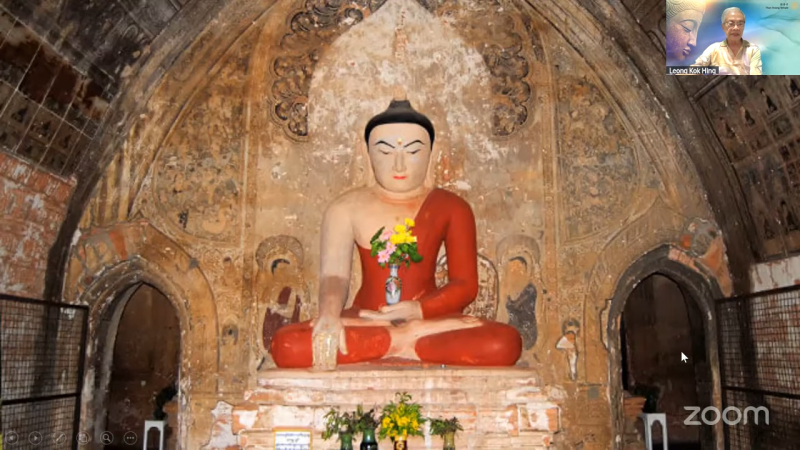
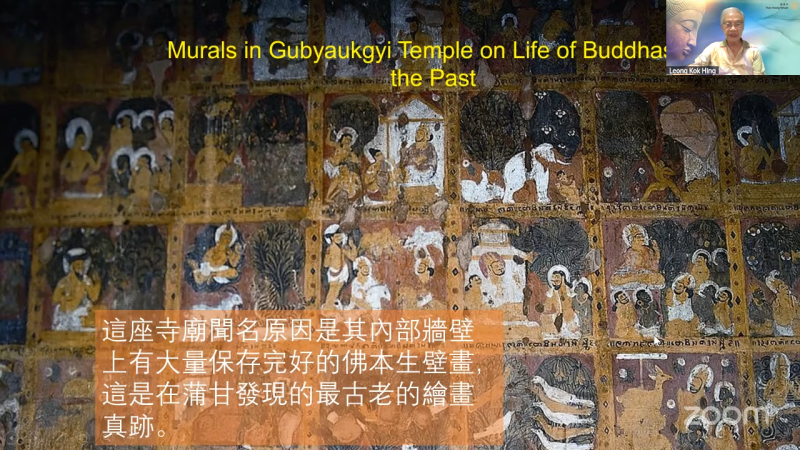
18. Gubyaukgyi Pagoda
The 13th Century 'cave temple', Gu Byauk Gyi which has an Indian-style spire like the Mahabodhi Pagoda in Bagan.
For more information, please browse https://youtu.be/Tni3WtKYT40?si=XTmRJT7Qm9fTTPJp
Spread the Buddha's teachings to guide more people to study Buddhism.
Continue diligently in the path studying the Buddha's teachings and listening to the Dharma.
Follow us on:
https://linktr.ee/thanhsiang